The Meal Was Modified. The Person Was Not.
There are meals you cook because they are on the menu.
There are meals you cook because someone is hungry.
And then there are meals you cook because, for one brief moment, the plate may be the last beautiful thing a person receives that day.
When I worked as an executive chef in a nursing home, I learned that food in elder care is never just food.
It is memory.
It is safety.
It is routine.
It is dignity.
It is one of the last places where a person can still feel like themselves.
In long-term care, there were residents who could no longer safely chew or swallow regular meals. Some had difficulty chewing. Some were at risk of choking. Some needed mechanically altered foods, pureed foods, or thickened liquids. Some had diet orders that changed the entire way food had to be prepared.
To someone outside the system, those words can sound clinical.
Pureed.
Mechanically altered.
Thickened.
Dysphagia diet.
But behind every one of those words is a person.
Someone who once ordered pizza on a Friday night.
Someone who made Sunday sauce.
Someone who packed lunches for children.
Someone who cut birthday cake, buttered toast, stirred soup, planted tomatoes, and knew exactly how much basil belonged on top.
A swallowing disorder can affect far more than convenience. ASHA describes adult dysphagia as a swallowing disorder that may involve the mouth, throat, esophagus, or related structures, and notes that consequences can include dehydration, malnutrition, aspiration pneumonia, choking, reduced enjoyment of eating, embarrassment, isolation, and increased caregiver burden.
That is why I never saw a pureed meal as “just puree.”
I saw it as a test.
Could we keep the resident safe?
Yes.
Could we also keep the resident human?
We had to.
Pizza Night in a Nursing Home Kitchen
Pizza is not an easy food to modify.
Crust can be dry or chewy.
Cheese can stretch.
Toppings can separate.
Pepperoni can be tough.
Basil leaves can be thin, fibrous, and unsafe for someone who needs a smooth texture.
Regular pizza may be completely inappropriate for someone with chewing or swallowing difficulty unless their care team has cleared it. But that does not mean the idea of pizza has to disappear.
So I started thinking like a chef.
Actually, more like a pastry chef.
If a dessert could be layered, molded, piped, glazed, and made beautiful, why couldn’t a modified entrée receive that same respect?
I ordered molds.
I tested textures.
I thickened components.
I strained purees.
I shaped bases.
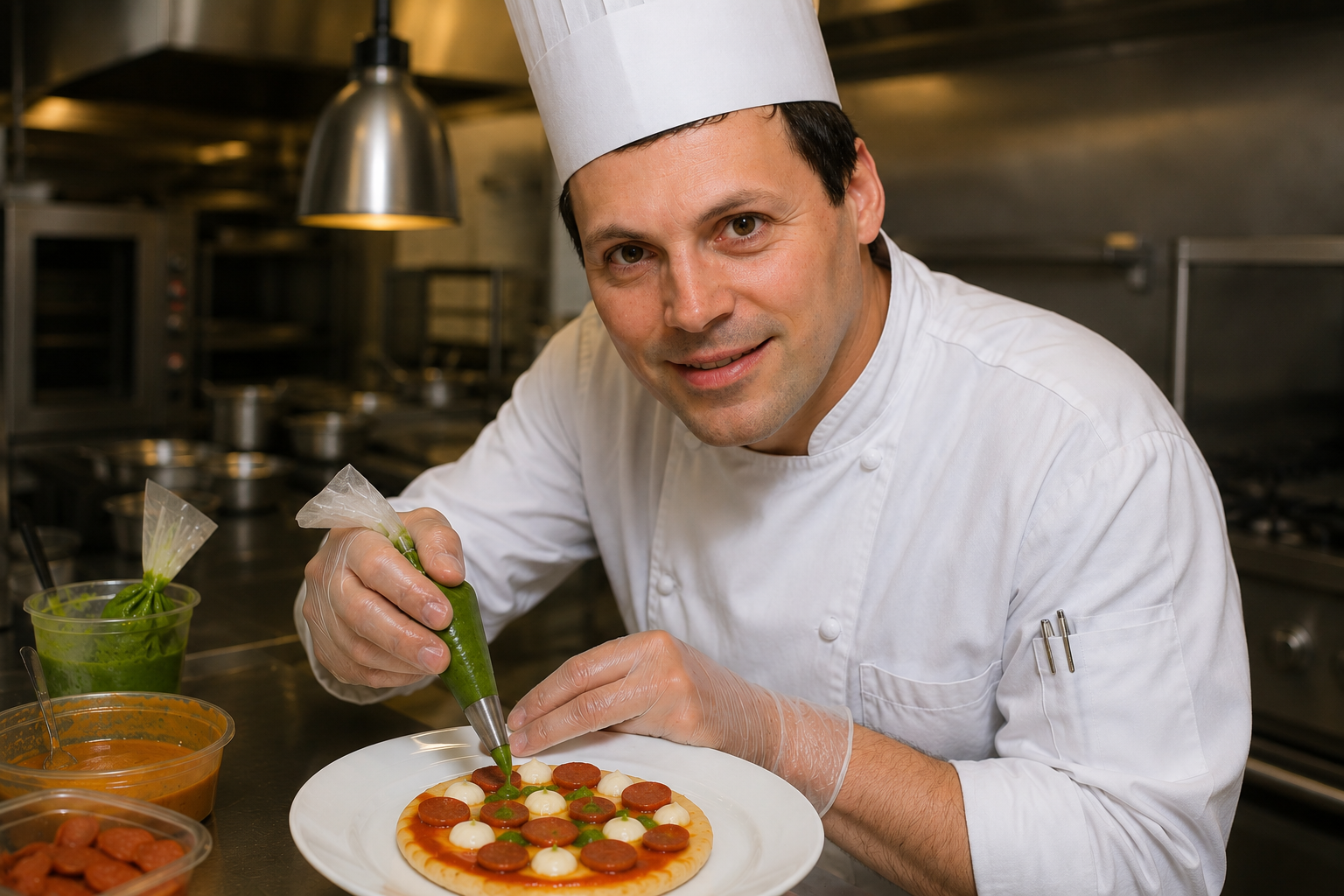
I piped sauces.
I worked the way you work when the person receiving the plate matters.
The base became smooth and cohesive. The sauce was pureed and thickened so it stayed where it belonged. The cheese could not be stringy mozzarella, so soft ricotta became the better choice when allowed. The pepperoni became a molded component. The basil became a strained green puree that could be piped with a cake decorating tip.
A pureed pizza.
Not a bowl of beige food.
Not a scoop that erased the memory of the meal.
A plate that still said: pizza.
And I remember thinking that every plate deserved that effort.
There is a line often attributed to violinist Michael Rabin: “Play every concert as if it’s the first and last time you will ever play.”
That is how I felt in that kitchen.
Cook every plate as if this person is eating it for the first time.
And maybe, for some things, as if it could be their last.
Because in elder care, sometimes it was.
Sometimes that plate was not just lunch.
Sometimes it was the final version of a favorite food that a person would ever recognize.
And if that was true, then the plate deserved reverence.
Why Presentation Matters in Elder Care Food
It is easy to misunderstand presentation.
Some people hear “plating” and think it is decoration.
Extra.
Fancy.
Unnecessary.
But in elder care, presentation can be part of dignity.
A person who needs a pureed diet may already be losing pieces of independence. They may need help sitting up. They may need supervision while eating. They may need someone else to prepare, cut, blend, thicken, or serve the meal. They may be grieving the loss of foods they loved.
If every plate also looks like a reminder of decline, the meal becomes heavier than it needs to be.
But when a pureed meal is shaped with care, something changes.
The person can recognize it.
The caregiver can serve it with pride.
The meal feels less like a medical accommodation and more like hospitality.
That matters because swallowing issues can affect not only health but also social participation. ASHA notes that swallowing disorders can lead to health issues and social problems, including avoiding meals with others, and that speech-language pathologists help people who have trouble swallowing.
A dignity plate cannot cure dysphagia.
It cannot replace a speech-language pathologist.
It cannot override a care plan.
But it can say something powerful:
You are still worth the trouble.
Caregiver Safety Note: Read This Before Making the Recipe
This recipe is for inspiration and caregiver support only. It is not medical advice, nutrition therapy, swallowing therapy, or a replacement for a care plan.
Always follow the diet texture, liquid thickness, supervision, posture, pacing, and ingredient guidance provided by the person’s physician, speech-language pathologist, registered dietitian, nurse, or care team.
People with swallowing difficulty may require very specific food textures and drink thicknesses. The International Dysphagia Diet Standardisation Initiative, known as IDDSI, provides a common framework for describing food textures and drink thicknesses using a continuum from Levels 0–7; drinks are measured from Levels 0–4, and foods are measured from Levels 3–7.
Do not guess the texture.
Do not serve mixed textures, stringy foods, crumbly foods, thin liquids, seeds, skins, lumps, or garnishes unless the care plan allows them.
Do not use this recipe for someone with dysphagia unless their care team has approved the ingredients and the final texture.
When in doubt, ask the speech-language pathologist or dietitian.
The goal is not creativity at the expense of safety.
The goal is safety with dignity.
Recipe: The Pureed Pizza Dignity Plate
What This Recipe Is
This is not regular pizza.
This is a pizza-inspired dignity plate made from separate smooth components that can be adjusted to the person’s prescribed texture level.
The goal is to recreate the memory and appearance of pizza while respecting modified diet needs.
Best For
This recipe may be useful for caregivers, culinary teams, or family members preparing food for someone who has been prescribed a pureed or texture-modified diet.
Only use this if the person’s care team has approved the final texture and ingredients.
Dignity Goal
A plate that looks familiar.
A meal that feels adult.
A modified diet that does not erase the person.
Equipment That Helps
You do not need all of this, but these tools make the process easier.
- High-speed blender or strong food processor
- Fine mesh strainer
- Rubber spatula
- Small silicone molds
- Ring mold or shallow round mold
- Piping bags
- Small round piping tip
- Small leaf piping tip, optional
- Food thermometer
- Small ramekins or lidded containers
- Freezer labels
- Permanent marker
A caregiver should not be shamed into doing everything the hard way. Use tools. Use shortcuts. Use systems.
A caregiver recipe is successful when it is safe, repeatable, and humane.
Component 1: The Pizza Base
This replaces the crust visually. It should be smooth, cohesive, and shaped.
Ingredients
- 1 cup cooked polenta, mashed potato, smooth cooked pasta puree, or another care-plan-approved starch
- 2–4 tablespoons warm broth, milk, or tomato sauce, as allowed
- 1 tablespoon smooth ricotta or cream cheese, optional and only if allowed
- Commercial food thickener, such as the thickener recommended by the care team, used according to directions
- Tiny pinch of Italian seasoning, infused and strained if needed
Method
Place the cooked starch into a blender or food processor.
Add a small amount of warm approved liquid.
Blend until completely smooth.
Scrape down the sides and blend again.
If using seasoning, make sure it is either finely powdered and allowed, or infused into the liquid and strained out.
Adjust the texture according to the prescribed care plan.
If the mixture is too loose, use the approved thickener according to the product instructions and care plan.
Press the mixture into a small round mold, wedge mold, or shallow ramekin.
The shape should suggest pizza crust without requiring chewing like crust.
Keep warm for immediate service or chill for later reheating.
Component 2: Smooth Tomato Pizza Sauce
Color matters. Aroma matters. Familiarity matters.
The sauce is where the plate starts to feel like pizza.
Ingredients
- 1 cup smooth tomato sauce
- 1–2 teaspoons tomato paste, optional for deeper color
- Pinch garlic powder, onion powder, or Italian seasoning, if allowed
- Approved thickener as needed
- Optional: small amount of olive oil for richness, if allowed
Method
Warm the tomato sauce gently.
Blend until completely smooth.
Strain through a fine mesh strainer to remove seeds, skins, herbs, or particles.
Adjust seasoning carefully.
Thicken as required by the care plan.
The sauce should not run across the plate like a thin liquid unless the person is allowed that consistency.
Spoon or pipe a thin layer over the pizza base.
Component 3: Soft Ricotta “Cheese”
Mozzarella is one of the classic pizza cheeses, but it can be stringy and difficult for some people with chewing or swallowing issues. In the nursing home kitchen, soft cheeses such as ricotta were often a better option when the diet order allowed them.
Ingredients
- ¼ cup smooth ricotta
- 1–2 teaspoons milk, cream, or broth, only if needed and allowed
- Tiny pinch of salt, if allowed
- Approved thickener if needed
Method
Whip or blend the ricotta until smooth.
If it has graininess, pass it through a fine mesh strainer.
Adjust to the required texture.
Place into a piping bag or small zip-top bag with the corner cut.
Pipe small dots or short lines over the tomato sauce.
Do not overdo it. The goal is recognition, not clutter.
Component 4: Pepperoni-Style Rounds
There are two versions here.
The safer visual version uses roasted red pepper puree.
The savory version uses approved cooked meat, but only if the care plan allows it and it can be made completely smooth.
Option A: Roasted Red Pepper “Pepperoni” Visual Rounds
Ingredients
- ½ cup roasted red peppers, skins removed if needed
- 1 teaspoon tomato paste
- Pinch paprika, if allowed
- Approved thickener as needed
Method
Blend roasted red peppers with tomato paste and paprika.
Strain completely smooth.
Thicken until the mixture can hold shape.
Spoon into tiny round silicone molds.
Chill or freeze until set enough to handle.
Place small rounds over the sauce.
Option B: Savory Meat “Pepperoni” Rounds
Ingredients
- ½ cup fully cooked turkey, ham, chicken, or another approved protein
- 2–4 tablespoons tomato sauce or broth
- Pinch paprika or mild seasoning, if allowed
- Approved thickener as needed
Method
Blend the cooked protein with tomato sauce or broth until completely smooth.
Scrape down the blender and blend again.
Strain if needed.
There should be no fibers, lumps, skins, or tough particles.
Thicken according to the care plan.
Mold into small rounds.
Use sparingly.
If there is any doubt about texture safety, do not use the meat version.
Use the roasted pepper version instead.
Component 5: Basil Leaf Puree
This is the detail that makes the plate feel cared for.
A basil leaf on regular pizza is simple. For a pureed plate, basil has to be reimagined.
Ingredients
- ¼ cup fresh basil leaves
- ¼ cup cooked spinach or another soft green vegetable, optional for color and body
- 1–2 tablespoons approved liquid
- Tiny amount of olive oil, optional and only if allowed
- Approved thickener as needed
Method
Blanch basil and spinach briefly if needed to soften and brighten.
Blend with approved liquid until smooth.
Strain completely.
Thicken until pipeable.
Place in a piping bag with a small tip.
Pipe tiny leaf shapes or small green dots onto the pizza.
Remember: if the garnish is not safe, it is not a garnish. It is a risk.
Everything on the plate must match the care plan.
Assembly: How to Plate the Pureed Pizza
Warm each component safely.
Place the smooth base on the plate.
Add tomato sauce.
Pipe ricotta.
Add pepperoni-style rounds.
Pipe basil.
Wipe the rim of the plate.
Serve warm.
Pause before serving.
Look at the plate.
Ask yourself:
Would I be comfortable serving this to someone I love?
If the answer is yes, you are closer to the spirit of the dish.
Food Safety Notes for Older Adults
Older adults are at higher risk of serious illness from foodborne germs. CDC states that adults age 65 and older are at higher risk for food poisoning and more serious illness, and it recommends safer food choices along with the four basic food safety steps: clean, separate, cook, and chill.
For leftovers, USDA’s Food Safety and Inspection Service says safe handling is important for reducing foodborne illness and that leftovers should be cooked to a safe temperature and refrigerated promptly.
Practical caregiver rules:
- Wash hands before preparing food.
- Keep raw and cooked foods separate.
- Cook foods to safe temperatures.
- Chill leftovers promptly.
- Label prepared foods with dates.
- Reheat leftovers thoroughly according to food safety guidance and the person’s care plan.
- Discard anything questionable.
When cooking for an older adult, especially someone medically fragile, food safety is not a side issue.
It is part of care.
Caregiver Shortcut: Make a Dignity Plate Kit
A caregiver should not have to start from scratch every time.
Make components ahead.
Freeze them in small portions.
Label clearly.
Suggested Freezer Kit
- Pizza bases, molded
- Tomato sauce portions
- Ricotta portions
- Red pepper rounds
- Basil puree dots or piping portions
Label Each Container
- Food name
- Date made
- Intended texture level
- Reheating instructions
- “Check care plan before serving”
This turns a difficult meal into a system.
And systems matter.
In The Wealth Garden framework, a kitchen is not just a place where food is prepared. It is a productive system capable of turning skill, care, ingredients, and attention into value. In elder care, that value may not show up on a financial statement, but it appears when a person eats with recognition instead of shame.
Chef Notes: How to Make Pureed Food Look Like Food
1. Separate the Components
Do not blend the entire meal together if you can avoid it.
Pizza is not one flavor.
It is crust, sauce, cheese, topping, herb, warmth, and aroma.
Even when the texture must be modified, the components can often remain visually separate.
Separate components help the person recognize the meal.
2. Use Color Intentionally
Red sauce.
White ricotta.
Green basil.
Golden base.
Food recognition begins before the first bite.
3. Shape Matters
A scoop says “modified diet.”
A wedge says “pizza.”
A molded carrot says “carrot.”
A piped potato topping says “shepherd’s pie.”
The person eating may not be able to say all of that, but the body often remembers familiar shapes.
4. Keep Portions Small
A large plate of pureed food can feel overwhelming.
Smaller portions can feel more manageable and more elegant.
You can always offer more.
5. Serve Warm, Not Forgotten
Temperature carries dignity.
A warm plate says someone paid attention.
6. Never Sacrifice Safety for Beauty
This is the non-negotiable rule.
If the basil puree separates, fix it.
If the sauce runs too thin, adjust it.
If the cheese is not allowed, leave it off.
If the topping creates risk, do not serve it.
The best dish is not the prettiest dish.
The best dish is the safest beautiful dish.
The Emotional Weight of a Modified Meal
There is something sacred about cooking for someone near the end of life.
Not always dramatic.
Not always spoken.
But present.
You begin to feel the weight of ordinary things.
A spoon.
A napkin.
A warm bowl.
A familiar smell.
A person may not remember your name.
They may not understand the full menu.
They may not be able to eat what they once loved.
But sometimes they recognize the plate.
Sometimes their eyes change.
Sometimes a tiny bit of appetite returns.
Sometimes the family sees the meal and feels relief because someone still cared enough to try.
That is when the kitchen becomes more than a kitchen.
It becomes a place of preservation.
Not preservation like canning tomatoes or storing food for winter, although that matters too.
Preservation of personhood.
Preservation of memory.
Preservation of the message:
You still belong at the table.
What Caregivers Need to Hear
This part is important.
Caregivers reading this may feel overwhelmed.
They may be thinking:
I do not have molds.
I do not have time.
I am not a chef.
I am tired.
I am scared they will choke.
I am doing my best.
So let me say this clearly:
You do not have to make a perfect pureed pizza to preserve dignity.
Dignity can be a warm bowl instead of a cold one.
It can be wiping the rim of the plate.
It can be using the person’s favorite mug.
It can be calling the food by its real name.
It can be asking, “Does this smell like the pizza you remember?”
It can be making one component better than yesterday.
It can be fifteen minutes of attention.
The goal is not performance.
The goal is care.
A caregiver recipe should not become another impossible standard.
It should become a tool.
Because the caregiver deserves dignity too.
A Small Caregiver Ledger for Modified Meals
One of the best systems a caregiver can build is a simple meal record.
Not complicated.
Just enough to notice patterns.
| Date | Meal | Texture Required | Intake | Reaction | Notes |
| Monday | Pureed pizza | Follow care plan | Ate half | Smiled at sauce | Make portion smaller |
| Tuesday | Eggs | Soft/moist | Ate most | Good | Add more moisture |
| Wednesday | Soup | Thickened | Coughed once | Concern | Ask SLP/care team |
This matters because memory gets tired.
Caregivers get tired.
A record protects learning.
The Wealth Garden manuscript already frames a ledger as a system of awareness: without tracking, we rely on memory; with tracking, patterns appear and systems improve.
In elder care, that kind of record can help you notice:
- which meals are easier
- which textures seem harder
- when appetite changes
- when coughing appears
- when fatigue affects eating
- what foods still bring joy
And if something concerning happens, the record gives the care team better information.
The Dignity Plate Method
This pureed pizza is one example.
But the method can be used for many meals.
1. Start With the Memory
Ask:
What food does this person recognize?
Pizza?
Lasagna?
Shepherd’s pie?
Chicken pot pie?
Sunday sauce?
Thanksgiving dinner?
The memory is the beginning.
2. Identify the Risk
Ask:
What makes the regular version unsafe?
Is it dry?
Stringy?
Crumbly?
Mixed texture?
Hard to chew?
Too thin?
Too sticky?
Too large?
3. Rebuild by Component
Separate the meal into parts.
Base.
Sauce.
Protein.
Vegetable.
Garnish.
Aroma.
Then modify each part.
4. Match the Care Plan
This is where creativity must become disciplined.
Follow the required texture.
Use the approved thickener.
Ask the speech-language pathologist or dietitian when unsure.
Use IDDSI language if the care team uses it.
Do not guess.
5. Plate for Recognition
Shape the food.
Use color.
Use warmth.
Use aroma.
Use small portions.
Use the real name of the meal.
This is not “puree.”
This is pizza, adapted.
Other Dignity Plate Ideas
Once you understand the method, many meals can be reimagined.
Pureed Lasagna Layers
Smooth pasta base.
Tomato meat sauce puree.
Ricotta layer.
Basil puree.
Served in a ramekin.
Chicken Pot Pie Bowl
Pureed chicken and gravy.
Pureed carrots.
Smooth mashed potato topping.
Optional soft biscuit flavor infused into the gravy if allowed.
Thanksgiving Plate
Turkey and gravy puree.
Sweet potato puree.
Green bean puree.
Cranberry gel thickened to the proper texture.
Each component separate.
Shepherd’s Pie Cup
Smooth meat and gravy layer.
Pureed vegetable layer.
Piped mashed potato topping.
A familiar family meal, rebuilt safely.
These are not gimmicks.
They are ways of saying:
The person still deserves meals with identity.
Why This Belongs in The Elder Care Garden
The Elder Care Garden is not only about food.
It is about systems.
Aging is a season.
Caregiving is a system.
Food is one of the first places where the season becomes visible.
Someone stops finishing meals.
Someone coughs more often.
Someone avoids meat.
Someone loses interest in foods they used to love.
Someone needs softer textures.
Someone needs more help.
At first, the changes seem small.
But small changes are signals.
A good caregiver, like a good gardener, learns to notice.
The Wealth Garden framework says participation is not about perfection; it is about presence, noticing, adjusting, and staying connected to the system. That is exactly what elder care asks of us.
Not perfection.
Presence.
Not panic.
Attention.
Not shame.
Dignity.
Final Thought: The Last Dish
I still think about those plates.
Not because every one was perfect.
They were not.
Not because every resident understood the effort.
Some could not.
Not because a molded puree changes the reality of aging.
It does not.
I think about them because they taught me what food can mean when life becomes fragile.
As chefs, we are trained to care about the final dish.
The plate that leaves the kitchen.
The one the guest sees.
The one that carries our name even when nobody says it.
But in elder care, “the final dish” can mean something much deeper.
It may be the last pizza someone recognizes.
The last basil they smell.
The last time a familiar meal comes back to them in a form they can still receive.
And if that is possible, even once, then it is worth doing well.
Cook it as if it is their first time.
Cook it as if it is their last.
Because the meal may be modified.
But the dignity should never be.
Where to Go Next
This is the first plate in The Elder Care Garden.
Next in the series:
The Soft Scrambled Egg: How Small Acts Become Elder Care
A quiet story about grandparents, breakfast, tenderness, and the moment caregiving begins before anyone names it.
Then:
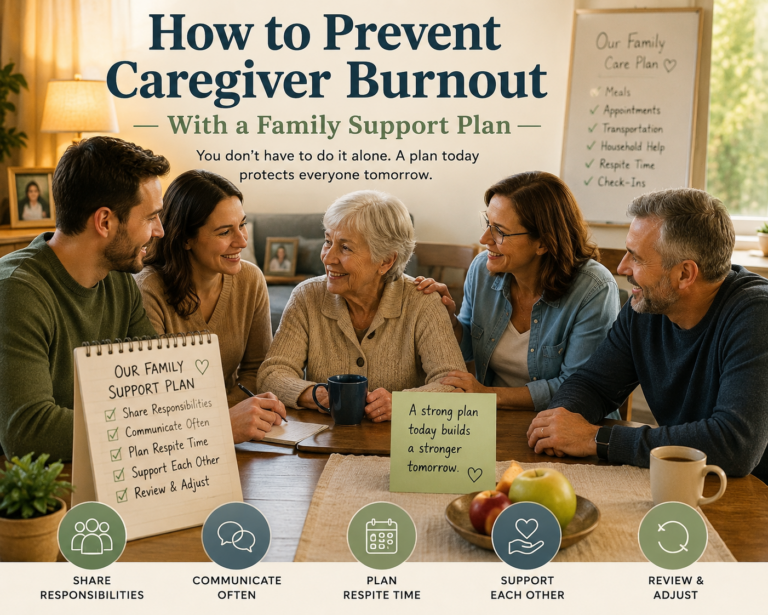
Caring for the Caregiver: Why Families Need Systems Before the Winter Comes
Because love matters, but love without a system can exhaust the person giving it.
Quick Reference: Pureed Pizza Dignity Plate
Main components:
- Smooth starch base
- Thickened tomato sauce
- Smooth ricotta
- Roasted red pepper or approved protein “pepperoni” rounds
- Strained basil puree
Most important rules:
- Follow the care plan.
- Ask the SLP or dietitian when unsure.
- Avoid mixed textures unless approved.
- Strain lumps, skins, seeds, and fibers.
- Use safe food handling.
- Plate with dignity.
Core reminder:
The diet may be modified.
The person is not.