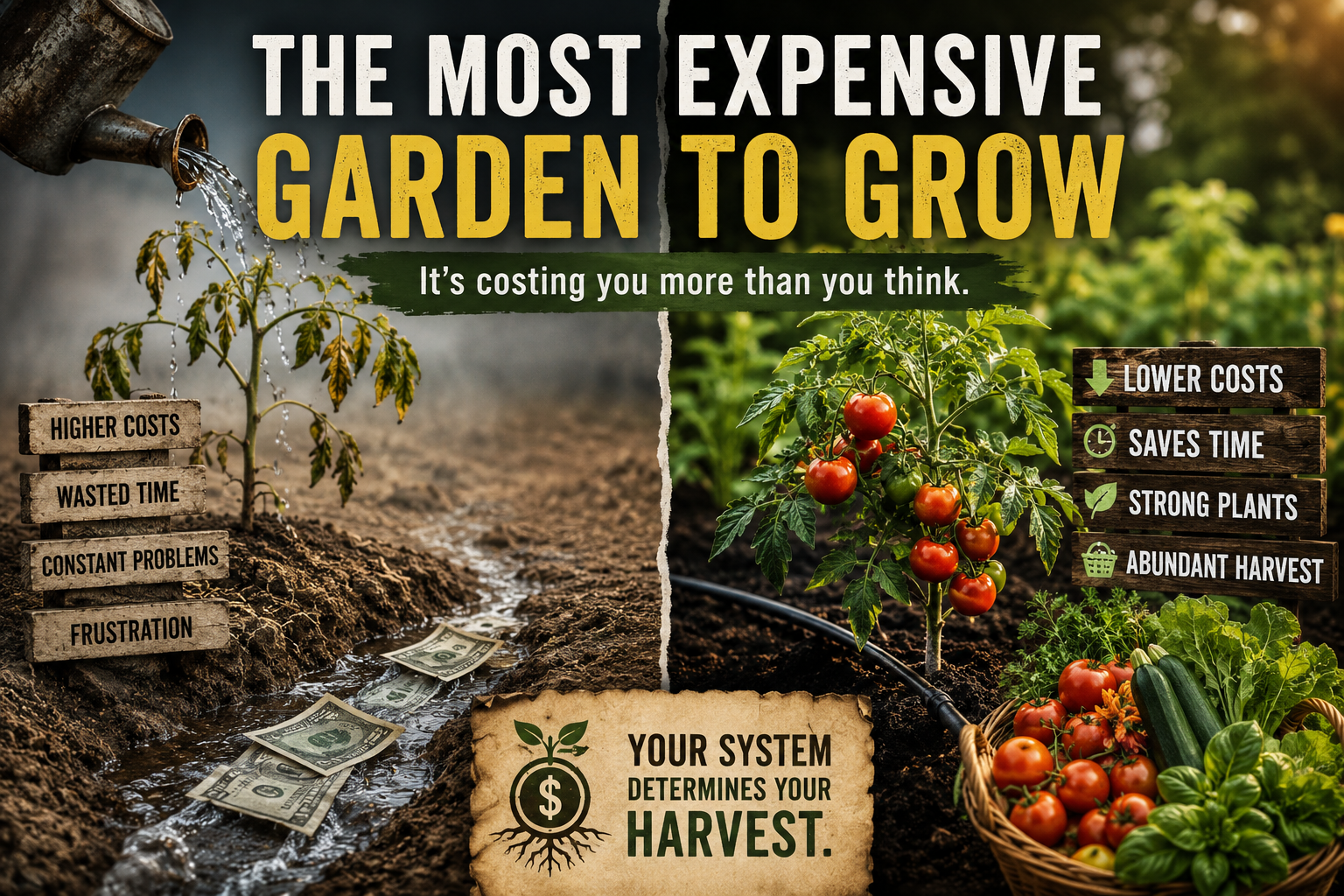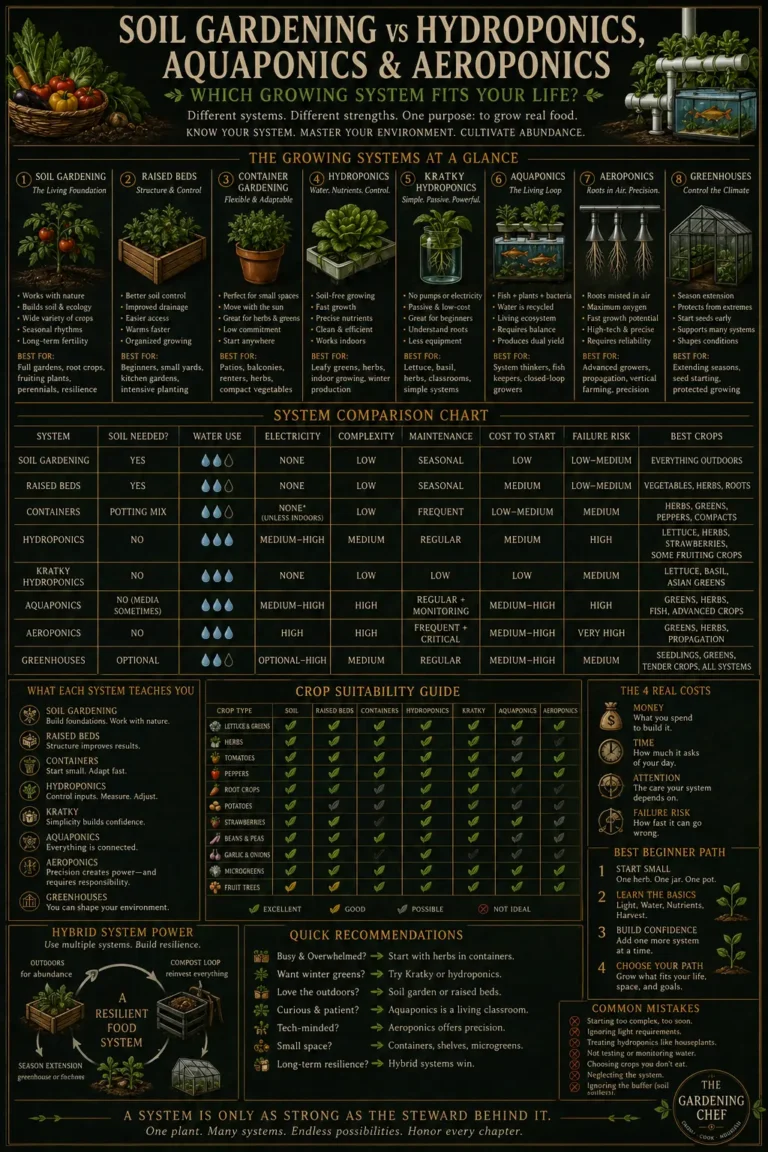

A Story About Dividends, Systems, Libraries, and the Quiet Realization That Wealth Might Work More Like a Garden Than a Spreadsheet
Lisa almost ignored the podcast.
It had started automatically during her drive home, slipping into the silence after a true crime episode ended. Normally she would have switched it off immediately. Most financial podcasts made her feel the same way instruction manuals did — dense, technical, written for people who already understood the language.
But traffic was slow.
The sky had turned the pale gray-blue of early evening, and her shoulders ached from another long shift at work. The fluorescent lights in the office always left her feeling strangely hollow by the end of the day, as if she had spent eight hours slowly leaking energy into the ceiling tiles.
So she let the podcast continue.
At first it sounded exactly the same as every other finance conversation she had overheard in waiting rooms, offices, and break rooms throughout her life.
“Valuation…”
“Discounted cash flow…”
“P/E ratios…”
“Market premium…”
The words floated past her like another language.
Then the host said something that made her glance toward the radio.
“Some companies are designed to keep paying their owners over time.”
That sentence stayed with her.
Not because she fully understood it.
But because something about it felt strangely different from the kind of financial advice she usually heard.
Most money conversations in her life had sounded temporary.
Work overtime.
Save harder.
Cut expenses.
Pay this off.
Survive this month.
Get through this year.
Everything always sounded like maintenance.
Like bailing water out of a leaking boat.
But this sounded different.
“Companies designed to keep paying their owners over time.”
Lisa frowned slightly.
She passed a glowing gas station sign and merged slowly through traffic.
The podcast host started talking about Coca-Cola.
Not the drink.
The company.
Its dividends.
Its long history.
Its ability to keep generating cash.
Then came more words she didn’t understand.
“Intrinsic value.”
“Fair value.”
“Overvalued.”
“Bull case.”
“Bear case.”
She almost turned it off.
But then the host said something else.
“When you own part of a productive system, sometimes the system keeps working even while you sleep.”
That line hit her harder than she expected.
Because Lisa was tired.
Not just physically tired.
System tired.
Every bill felt like starting over from zero.
Every paycheck arrived already spoken for.
Rent.
Insurance.
Groceries.
Gas.
A small credit card balance she kept promising herself she would eliminate.
The money came in…
and then disappeared.
Like water poured into dry sand.
And suddenly she found herself wondering something she had never seriously considered before.
What would it feel like to own something that kept producing instead of constantly consuming?
That question followed her all the way home.
Her apartment was small but clean.
She kicked off her shoes near the door and stood silently in the kitchen for a moment while the refrigerator hummed softly in the background.
The podcast kept replaying in her head.
Dividends.
Ownership.
Systems.
Recurring value.
It still sounded intimidating.
Like a world designed for people in suits who already knew the rules.
She opened the refrigerator and stared blankly at leftovers.
Then something strange happened.
Her mind drifted backward.
Not to finance.
To her grandparents.
She could suddenly smell the garden.
The memory arrived with surprising clarity.
Warm dirt.
Tomato vines.
The sharp scent of basil crushed between fingers.
Her grandfather had spent nearly every spring and summer outside working in the garden behind their old farmhouse.
As a child, Lisa never thought much about it.
She only remembered that he was always building something.
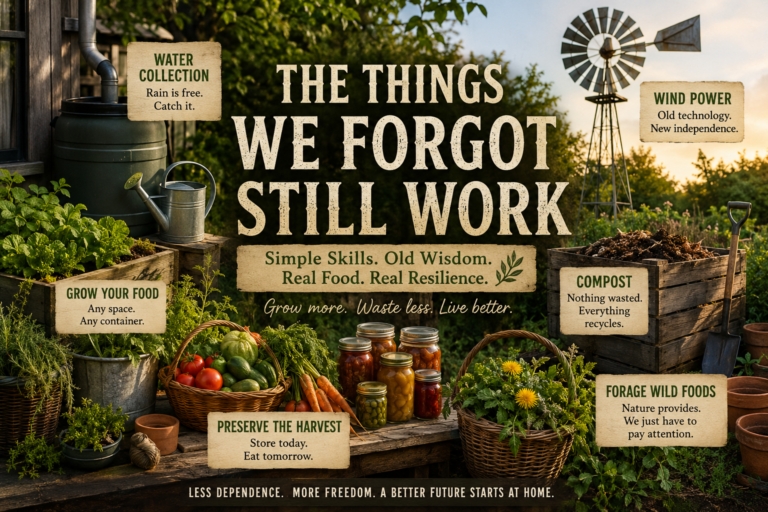
Trellises.
Raised rows.
Compost bins.
Rain barrels.
He repaired tools instead of replacing them. Reinforced fencing instead of tearing it down. Expanded irrigation lines one section at a time.
At the time, it had seemed almost excessive.
Why spend so much effort on vegetables?
But now she realized something she had completely missed as a child.
Her grandfather wasn’t just growing plants.
He was building infrastructure.
The garden had been a system.
And her grandmother had understood the other half of it.
While her grandfather built the systems…
her grandmother understood the timing.
The flow.
The surplus.
She always knew exactly when strawberry season was coming.
Not just generally.
Precisely.
The early strawberries.
The mid-season harvest.
The late berries.
Each variety ripened differently.
And somehow her grandmother prepared for all of them.
Freezer space cleared ahead of time.
Glass jars cleaned days before.
Sugar bought before everyone else suddenly rushed to the store.
Nothing felt rushed.
Nothing wasted.
At the time, Lisa had thought her grandmother was simply organized.
Now she wondered if it was something deeper.
Her grandmother understood cycles.
Surplus.
Preparation.
Timing.
The same concepts the podcast host had been talking about — just in a completely different language.
Lisa leaned against the kitchen counter.
That thought unsettled her slightly.
Maybe she had spent her entire life around wealth systems without recognizing them.
The next afternoon during lunch break, Lisa searched “dividends explained simply” on her phone.
Most results immediately overwhelmed her.
Charts.
Percentages.
Arguments about valuation.
People yelling on YouTube thumbnails.
But one phrase kept appearing:
“Dividend reinvestment.”
She clicked an article.
It explained that some companies paid shareholders regularly. And instead of taking the cash, investors could automatically use those dividends to buy more shares.
Lisa reread the paragraph three times.
The idea felt strangely familiar.
Not financially.
Biologically.
Suddenly she thought about her grandmother saving seeds from tomatoes at the end of summer.
The best plants were never fully consumed.
Part of the harvest went back into the system.
That was reinvestment.
Not because her grandmother used the word.
But because she understood the principle.
Lisa sat back slowly.
That realization bothered her in the best possible way.
Because now the finance language was starting to translate into real life.
Dividends were harvest.
Reinvestment was seed saving.
Compounding was planting the next season from the previous harvest.
And suddenly the entire thing felt less like gambling…
and more like gardening.
A few days later Lisa went to the library.
The old building smelled like paper and dust and quiet concentration.
She hadn’t been inside in years.
As a teenager she used to come constantly.
Now she mostly streamed everything and searched online like everyone else.
But the podcast had stirred something in her.
And one idea from her grandparents kept returning to her mind:
Use the free resources first.
Her grandfather reused wood scraps.
Collected rainwater.
Turned kitchen scraps into compost.
Her grandmother reused jars, containers, recipes, and seeds.
Nothing wasted.
The library suddenly felt like part of the same philosophy.
Free infrastructure.
A public greenhouse for knowledge.
Lisa wandered slowly through the finance section.
At first she felt intimidated again.
Books about options trading.
Aggressive investing.
Millionaire strategies.
But eventually she found simpler books.
Dividend investing.
Index funds.
Long-term investing.
Personal finance basics.
She checked out five books.
On the drive home she laughed softly to herself.
The books cost her nothing.
Yet inside them might be ideas capable of changing the trajectory of her life.
That realization alone felt important.
Over the next several weeks, Lisa started experimenting.
Not investing heavily.
Observing.
Testing.
Learning.
She opened a small brokerage account.
Not because she suddenly believed she would become rich.
But because she wanted to understand the system.
She bought fractional shares of Coca-Cola.
Not many.
Just enough to feel connected.
And then something fascinating happened.
She started seeing the company differently.
Before, Coke had just been background noise.
Now she noticed it everywhere.
At gas stations.
Restaurants.
Vending machines.
Sporting events.
Grocery stores.
She began asking herself questions she had never asked before.
How many people buy this every day?
How many trucks move this product?
How many stores depend on these sales?
How many systems surround this one company?
And then another realization appeared.
She had spent her whole life participating in economic systems without ever thinking about ownership.
She knew how to consume.
She knew how to work.
But ownership felt like a completely different category of life.
One evening she sat at her kitchen table with a notebook from the dollar store.
She began writing small observations.
Not just about investing.
About systems.
Her employer offered a 401(k) match.
She had ignored it for years because retirement felt impossibly far away.
Now she realized something uncomfortable.
The company had literally been offering her a financial microclimate.
An engineered environment designed to help assets grow.
And she had left it unused.
Her mind drifted back to gardening again.
Her grandfather once built a cold frame beside the garden to extend the season.
A simple structure.
Plastic.
Wood.
Protection from frost.
The plants inside it grew longer and more reliably than the exposed beds.
The 401(k) match suddenly felt exactly like that.
Not magic.
Just an engineered system.
A greenhouse for compounding.
Lisa stared at the notebook.
How many systems had she ignored simply because nobody had translated them into language she emotionally understood?
The changes in her life remained small.
But they started connecting.
She canceled unused subscriptions.
Not because she suddenly became anti-spending.
But because she now saw leaks differently.
Her grandfather patched irrigation lines because leaks reduced yield.
Her grandmother canned extra vegetables because waste destroyed surplus.
Lisa started thinking the same way about money.
Every recurring leak weakened the system.
Every small improvement strengthened it.
She planted herbs on her windowsill.
Mostly basil and parsley.
Not because she expected huge savings.
But because the plants reminded her to pay attention.
Every morning she spent a few minutes watering them before work.
And gradually she noticed something strange happening.
She felt calmer.
More intentional.
Less reactive.
The systems were changing her behavior.
Not through force.
Through participation.
One Saturday afternoon Lisa tried making pesto for the first time.
Fresh basil.
Garlic.
Olive oil.
Parmesan.
Nothing complicated.
But while she blended the ingredients together, another thought struck her.
The value of the basil wasn’t just the leaves.
It was what the leaves became.
Fresh herbs transformed cheap pasta into something that tasted expensive.
A small plant multiplied the value of everything around it.
That idea stayed with her.
Later she propagated cuttings from the basil plant in water jars near the window.
Tiny roots began appearing after several days.
One plant became two.
Then three.
And suddenly she understood something else the podcast had completely failed to explain emotionally.
Systems expand.
Not all at once.
But quietly.
One cutting.
One saved seed.
One reinvested dividend.
One improved habit.
Compounding was not dramatic.
It was biological.
Weeks turned into months.
Lisa kept reading library books.
Some concepts remained confusing.
DCF models still felt abstract.
P/E ratios still sounded overly technical.
But she slowly began translating them into real-world intuition.
A company trading at extremely high valuations reminded her of overpriced plants at garden centers every spring.
People bought them emotionally.
Not rationally.
Sometimes quality justified the price.
Sometimes excitement inflated it beyond reason.
A durable dividend company felt like a mature fruit tree.
Not flashy.
Not explosive.
But productive year after year.
A speculative stock felt more like fragile annual crops.
Potentially exciting.
But dependent on perfect conditions.
The concepts stopped feeling like disconnected finance jargon.
They became ecosystems.
Patterns.
Systems.
Then one night she visited her grandparents.
Her grandfather was older now.
The garden smaller.
But parts of the old system remained.
Rain barrels still lined the edge of the shed.
Tomatoes still climbed weathered stakes.
Her grandmother still kept handwritten notes inside an old kitchen drawer.
Planting dates.
Weather patterns.
Canning quantities.
Yield estimates.
Lisa sat silently at the kitchen table flipping through them.
And suddenly she felt almost emotional.
Because she realized her grandparents had been practicing systems thinking their entire lives without ever calling it that.
They understood:
- compounding
- reinvestment
- surplus
- diversification
- infrastructure
- preparation
- resilience
Not academically.
Practically.
And for the first time in her life, Lisa saw that wealth wasn’t necessarily about becoming rich.
It was about reducing fragility.
Building systems that kept producing.
Creating margin.
Protecting surplus.
Paying attention.
Her grandfather looked out the window toward the fading garden and smiled slightly.
“People think gardens save money,” he said quietly.
Then he shook his head.
“That’s not really what they do.”
Lisa looked at him.
He pointed toward the yard.
“They teach you how systems work.”
And for the first time…
she fully understood what he meant.
Months later, Lisa’s life did not look dramatically different from the outside.
She still worked the same job.
Still drove the same car.
Still lived in the same apartment.
But internally, something fundamental had shifted.
She no longer saw life as:
- paycheck
- bill
- repeat
Now she saw:
- inputs
- outputs
- systems
- cycles
- leaks
- reinvestment
- compounding
And perhaps most importantly…
she no longer felt completely powerless.
Because she understood something she wished someone had taught her years earlier:
Wealth was not a single event waiting to happen someday.
It was a system.
A living system.
And systems could be built slowly.
One small piece at a time.
Like gardens always had been.
Where to Go Next
If this story resonated with you, these pieces connect directly to Lisa’s journey:
→ Soil Before Stocks
Why strong financial systems begin beneath the surface.
→ The 1% Garden Rule
How 15 minutes a day can quietly transform a system over time.
→ The $10,000 Garden
Why small productive systems create far more value than most people realize.
Wealth is not accumulated. It is cultivated. 🌱