A Garden-to-Kitchen Guide for Carrots, Beets, Potatoes, Sweet Potatoes, Onions, Garlic, Winter Squash & More
Nature’s Pantry. All Winter Long.
The Root Cellar Field Guide Promise
This is not just an article about storing vegetables.
It is a working kitchen-and-garden reference for anyone who wants to turn harvest season into winter meals, pantry resilience, grocery savings, household security, and practical food wisdom.
A gardener can use this guide to understand which crops need curing, which need humidity, which need dry air, which hate cold, and which should be eaten first.
A cook can use it to turn stored crops into soups, roasts, mashes, gratins, stews, pickles, ferments, breads, curries, stocks, hash, pies, and winter comfort meals.
A preserver can use it to decide what belongs in a bin, what belongs in a jar, what belongs in the freezer, what can be dried, and what requires pressure canning.
A pantry builder can use it to understand that a root cellar is not just a basement room.
It is a system.
A Wealth Garden reader can use it to see one of the most important principles in the entire Gardening Chef framework:
The garden does not end at harvest. The garden ends when the harvest feeds someone.
Save this guide if you want to:
Know which crops store cold and humid.
Know which crops need cool, dry airflow.
Know why sweet potatoes should not be treated like regular potatoes.
Know why onions and carrots do not belong in the same storage environment.
Know how to cure potatoes, onions, garlic, sweet potatoes, pumpkins, and winter squash.
Know which crops are best roasted, mashed, baked, pickled, fermented, frozen, dried, or pressure canned.
Know how to reduce winter food waste.
Know how to turn harvest season into stored resilience.
Know how root cellar crops connect to the larger $10,000 Garden system.
Start Here: Choose Your Reading Path
| If you are… | Start with… | You will learn… |
|---|---|---|
| A beginner gardener | The Core Lesson: Store It Right or Lose the Harvest | Why storage begins at harvest, not after. |
| A home cook | Cooking Roots: Match the Method | Which crops are best roasted, mashed, baked, pickled, fermented, or simmered. |
| A pantry builder | The Root Cellar Storage Zones | How to separate cold-humid, cool-dry, potato, sweet potato, and squash storage. |
| A preserver | Preserve the Harvest | When to freeze, dry, pickle, ferment, pressure can, or store whole. |
| A small-space gardener | Modern Root Cellar Options | How to think beyond the traditional underground cellar. |
| A Wealth Garden reader | Root Cellar Crops as Stored Resilience | Why stored crops are winter wealth crops. |
| A safety-minded cook | Food Safety and Storage Notes | Why curing, inspection, pressure canning, and potato greening matter. |
Root Cellar Field Guide Master Index
| Section | Use it when… |
|---|---|
| The Field Guide Promise | You want the big-picture reason root cellaring matters. |
| Why Root Cellar Crops Deserve Their Own Guide | You want to understand stored food as a system. |
| The Core Lesson | You need to understand why storage is stewardship. |
| Storage Zones | You want to know what belongs cold, humid, dry, dark, warm, or ventilated. |
| Crops at a Glance | You need a quick reference chart for roots, tubers, bulbs, and squash. |
| Meet the Root Cellar Stars | You want crop-by-crop guidance. |
| Cooking Roots | You want to match each crop to the right cooking method. |
| Preserve the Harvest | You want freezing, drying, pickling, fermenting, and canning guidance. |
| Modern Root Cellar Setup | You do not have a traditional cellar but still want storage options. |
| Root Cellar Rules | You need the non-negotiable storage principles. |
| Common Mistakes | You want to avoid losing the harvest. |
| Wealth Garden Connection | You want the deeper systems lesson behind storage crops. |
| FAQ | You want fast answers to common root cellar questions. |
The Root Cellar Field Guide
Some crops are made for the moment.
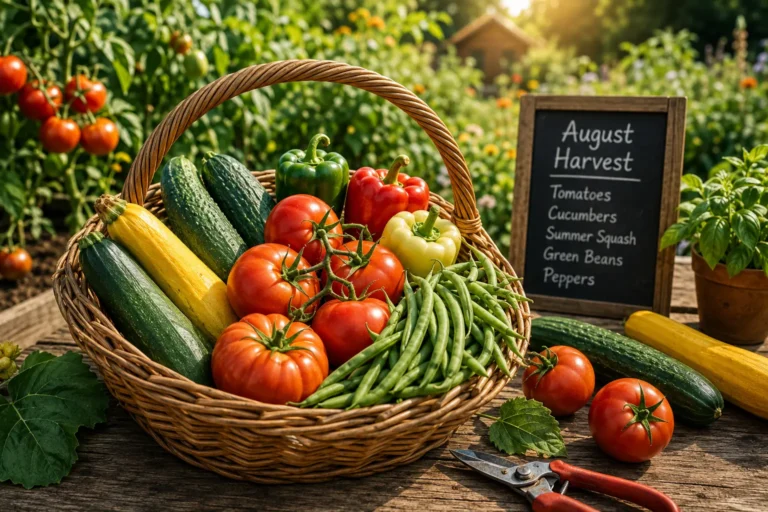
Tomatoes beg to be eaten ripe. Cucumbers ask to be sliced crisp. Herbs want to be snipped fresh. Leafy greens reward frequent harvest. Zucchini demands that you do something with it before it becomes a club on the counter.
But root cellar crops ask a different question:
Can you think beyond today?
A carrot pulled from cold soil can be dinner tonight.
A potato cured and stored correctly can feed you weeks later.
A beet can become salad, soup, pickle, roast, or winter color.
A parsnip can sweeten after frost.
An onion can become the beginning of a hundred meals.
A head of garlic can become seasoning, planting stock, and pantry power.
A winter squash can sit quietly on a shelf until the garden outside is frozen.
That is the root cellar lesson.
The garden does not end when the growing season slows down.
It changes form.
Fresh abundance becomes stored abundance.
Harvest becomes planning.
Soil becomes shelf.
Summer work becomes winter meals.
The Root Cellar Field Guide is not only about roots. In the old kitchen sense, a root cellar was a place for many storage crops: true roots, tubers, bulbs, storage roots, cabbages, apples, pears, and hard-skinned squash. Carrots and beets are roots. Potatoes are tubers. Onions and garlic are bulbs. Winter squash are fruits. Sweet potatoes are storage roots, but they do not want the same cold conditions as carrots.
That distinction matters because accurate storage is the difference between winter wealth and compost.
This guide exists because the root cellar is not just a place.
It is a system.
Why Root Cellar Crops Deserve Their Own Field Guide
Root cellar crops are the quiet backbone of food security.
They are not always as glamorous as tomatoes or peppers. They do not always photograph as beautifully as berries. They do not always feel as exciting as the first cucumber or the first basil harvest.
But when the season turns cold, these are the crops that matter.
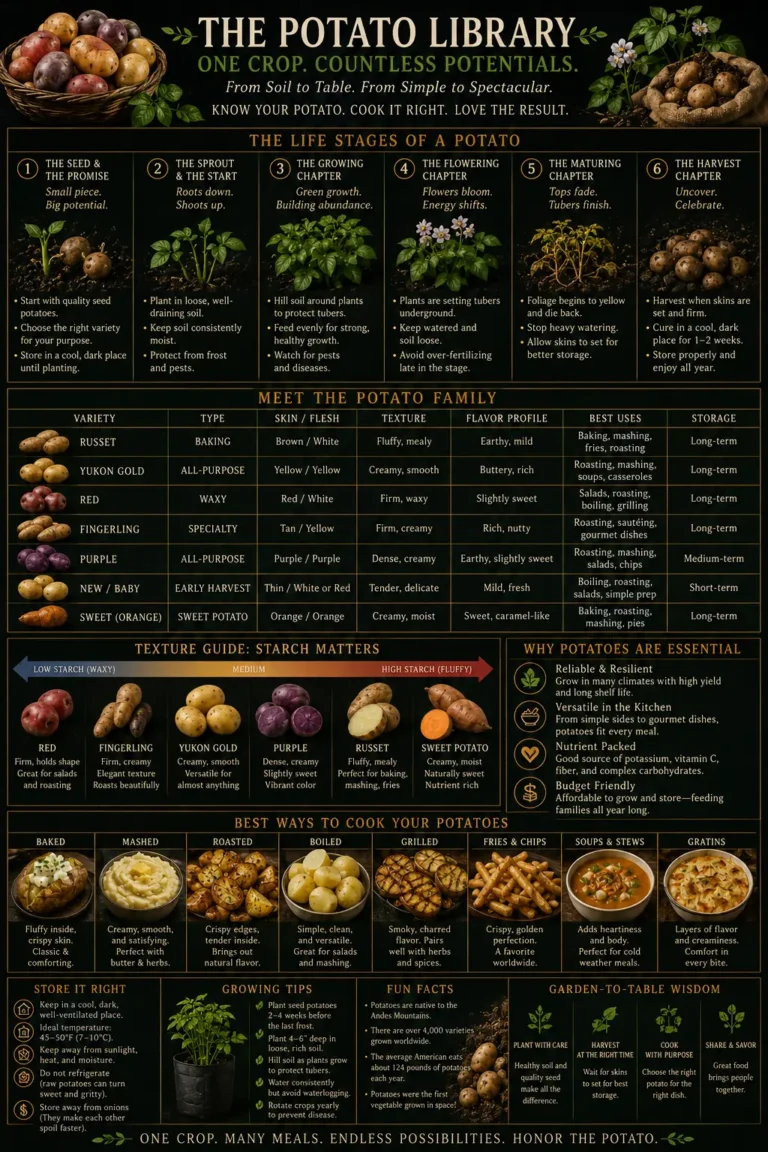
Potatoes become soup, mash, gratin, hash, roast, stew, fries, casseroles, and comfort.
Carrots become sweetness, crunch, stock, roast, salad, soup, glaze, and winter color.
Beets become earthiness, pickles, borscht, salads, ferments, roasted plates, and jewel-toned bowls.
Parsnips become nutty sweetness after cold weather.
Turnips and rutabagas become mash, roast, stew, slaw, pickle, and old-world winter food.
Onions and garlic become the beginning of almost everything.
Winter squash becomes soup, purée, pie, roast, curry, bread, and stored sunlight.
These crops teach a lesson that modern grocery habits often hide:
Food value does not only live in freshness. Food value also lives in keeping.
A crop that stores well changes the household.
It reduces waste.
It stretches the season.
It makes winter cooking easier.
It gives the cook ingredients when the garden is asleep.
Tomatoes teach purpose. Herbs teach flavor multiplication. Garlic teaches compounding. Beans and peas teach protein and soil partnership. Squash and cucumbers teach abundance management. Leafy greens teach rhythm and vitality.
Root cellar crops teach stored resilience.
They are the crops that wait.
Field Guide Poster Preview
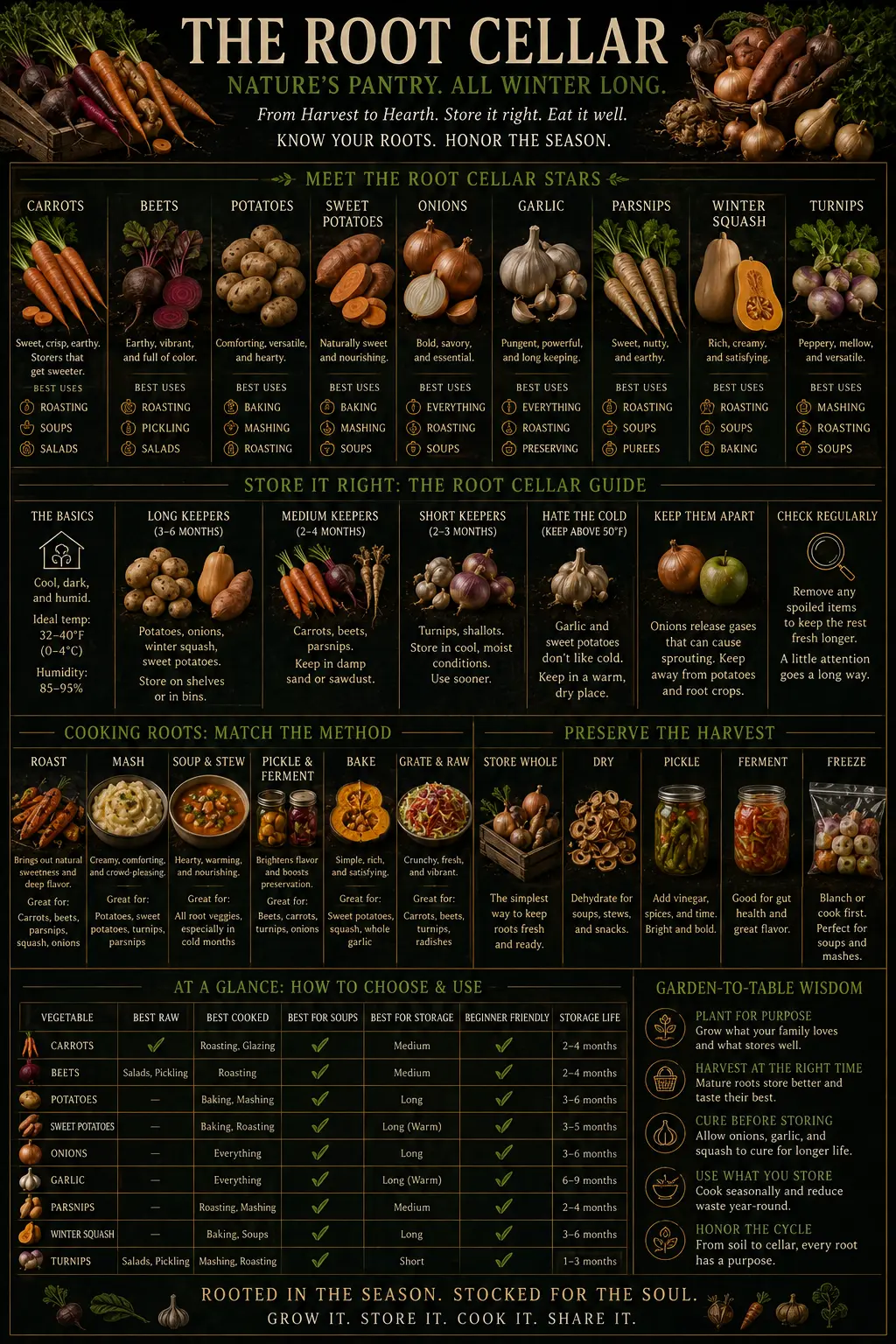
The Root Cellar Field Guide poster is designed as a visual kitchen and storage reference for cooks, gardeners, and anyone who wants to turn harvest season into winter meals.
Use the printable poster when you need to remember:
Which crops store longest.
Which crops need cold and humidity.
Which crops need dry air.
Which crops hate cold.
Which crops should be cured before storage.
Which crops should be kept apart.
Which crops are best roasted, mashed, pickled, fermented, baked, or grated raw.
How root cellar foods become winter pantry wealth.
How to separate roots, tubers, bulbs, storage roots, and winter squash.
How to inspect stored crops before one bad crop spoils the rest.
This guide belongs in a kitchen, pantry, garden binder, root cellar, basement storage area, meal-planning station, or preservation shelf.
Download the Printable Root Cellar Field Guide — $0.99
[Button: Download the Root Cellar Field Guide]
The Core Lesson: Store It Right or Lose the Harvest
A root cellar crop is not automatically a storage crop.
It becomes one only when handled properly.
A carrot with greens left on too long may lose moisture.
A bruised potato may rot.
A sweet potato stored too cold may develop chilling injury.
A winter squash with a broken stem may spoil sooner.
An onion not cured correctly may soften or mold.
A beet left dirty and wet in a sealed container may decay.
Storage is not passive.
Storage is stewardship.
Fresh produce is still biologically active after harvest. It continues to breathe, lose moisture, change, and eventually break down. Temperature, humidity, airflow, darkness, curing, and careful sorting all influence whether the harvest lasts or fails. University of Maine Extension explains that different produce requires different storage methods, and that room-temperature storage areas should be cool, dry, well-ventilated, pest-free, and away from household chemicals.
The harvest is not finished when you pull it from the ground.
The harvest is finished when it feeds someone.
Root Cellar Crops at a Glance
| Crop | What It Is | Flavor Profile | Best Uses | Storage Style |
|---|---|---|---|---|
| Carrots | Root | Sweet, crisp, earthy | Raw, roasting, soups, stews, salads, stocks | Cold and humid |
| Beets | Root | Earthy, sweet, deep | Roasting, pickling, salads, soups, ferments | Cold and humid |
| Potatoes | Tuber | Mild, comforting, starchy | Baking, mashing, roasting, soups, fries | Cool, dark, ventilated |
| Sweet Potatoes | Storage root | Sweet, dense, creamy | Baking, roasting, mashing, soups, pies | Warmer than true root-cellar crops |
| Onions | Bulb | Sharp raw, sweet cooked | Soups, sauces, roasts, stews, stocks | Cool, dry, ventilated |
| Garlic | Bulb | Pungent, savory, aromatic | Roasting, sauces, soups, preservation, replanting | Cool, dry, ventilated |
| Parsnips | Root | Sweet, nutty, earthy | Roasting, soups, purées, mashes | Cold and humid |
| Turnips | Root | Peppery, earthy, mellow when cooked | Mashing, roasting, soups, pickling | Cold and humid |
| Rutabagas | Root | Sweet, earthy, cabbage-like | Mashing, stews, roasting, soups | Cold and humid |
| Celeriac | Swollen stem/root crown | Celery-like, nutty, earthy | Mashes, soups, gratins, slaws | Cold and humid |
| Radishes / Daikon | Root | Crisp, spicy, refreshing | Raw, pickles, ferments, soups, stir-fries | Cold and humid |
| Winter Squash | Fruit | Sweet, dense, nutty | Roasting, soups, baking, purées | Cool, dry, not cold |
| Cabbage | Leaf head | Sweet, sulfurous, crisp, mellow cooked | Slaws, braises, soups, ferments | Cold and humid, separate from odor-sensitive crops |
| Apples / Pears | Fruit | Sweet, aromatic, acidic | Fresh eating, baking, sauces, cider, preserves | Cool storage; manage ethylene and odor transfer |
The Root Cellar Storage Zones
The most accurate way to think about root cellaring is not:
“Put everything in the cellar.”
The better way is:
Build storage zones.
Different crops want different conditions. Cold, moist roots do not belong in the same exact environment as dry onions, warm-stored sweet potatoes, or cool-dry winter squash. A good root cellar is not one pile.
It is a map.
Zone 1: Cold and Humid — The Root Bin
This is the zone for many true root crops:
Carrots.
Beets.
Parsnips.
Turnips.
Rutabagas.
Celeriac.
Radishes.
Daikon.
Some cabbage-family storage crops.
These crops lose quality when they dry out. They shrivel, soften, and become less crisp. The roots want cold and humidity, but they do not want rot.
That means clean containers, airflow awareness, regular checks, careful handling, and enough humidity to prevent shriveling without creating a soggy, sealed environment.
A common home storage strategy is to pack sound roots in slightly damp sand, sawdust, leaves, or other appropriate storage media, depending on the crop and setup. The goal is not to make a swamp.
The goal is to slow moisture loss.
Zone 2: Cool and Dry — The Onion and Garlic Zone
Dry onions and garlic do not want the same damp root bin that carrots want.
They need airflow, dryness, and proper curing.
Curing helps dry onion and garlic necks and outer skins before storage. University of Minnesota Extension notes that onions, garlic, pumpkins, winter squash, potatoes, and sweet potatoes are among the crops that benefit from curing because it helps heal wounds or dry outer tissues before longer storage.
Once cured, damaged bulbs should be used quickly rather than stored with sound bulbs.
Moisture is the enemy here.
A damp onion is not being protected.
It is being invited to rot.
Zone 3: Cool, Dark, and Ventilated — The Potato Zone
Potatoes need darkness, ventilation, and protection from light.
Light exposure can cause greening, and greening often signals increased glycoalkaloid levels. Oregon State University Extension notes that potato tubers can accumulate glycoalkaloids when exposed to light, and home gardeners should minimize greening during growth and storage.
A potato is alive in storage.
It can sprout, green, shrivel, or rot.
Stored well, it can feed you for months.
Stored poorly, it can become waste quickly.
The potato zone should be dark, cool, ventilated, and checked regularly.
Do not store potatoes where light can reach them.
Do not ignore sprouts, rot, or greening.
Do not let one bad potato ruin the bin.
Zone 4: Warmer Than Roots — The Sweet Potato Zone
Sweet potatoes are often treated like potatoes, but they do not store like potatoes.
They are tropical in origin and can be damaged by cold storage.
Sweet potatoes should be cured warm, then stored warmer than true root-cellar roots. Alabama Cooperative Extension recommends curing sweet potatoes at about 85°F with 90–95% relative humidity for 4–7 days, then storing them around 55–60°F with 80–85% relative humidity.
Similar kitchen use does not mean identical storage.
A baked potato and a baked sweet potato may sit beside each other on the plate.
They should not necessarily sit beside each other in storage.
Sweet potatoes teach one of the most important root cellar lessons:
Do not store by recipe category. Store by biology.
Zone 5: Cool and Dry, Not Cold — The Winter Squash Zone
Winter squash and pumpkins need maturity, curing, and careful storage.
They do not want the same cold, damp environment as carrots.
They should be handled gently, stored with stems intact when possible, and kept cool, dry, and ventilated. Winter squash teaches patience because the crop often improves after curing, then waits until the kitchen is ready.
But “winter squash” does not mean “store anywhere all winter.”
Some varieties store longer than others.
Delicata often stores for a shorter period.
Butternut and Hubbard types may store longer under good conditions.
Damaged squash should be eaten first.
Sound squash can wait.
That is the gift.
The Storage Zone Quick Reference
| Storage Zone | Best Crops | General Conditions | Watch For |
|---|---|---|---|
| Cold and Humid Root Bin | Carrots, beets, parsnips, turnips, rutabagas, celeriac, daikon | Cold, high humidity, protected from drying | Shriveling, mold, soggy storage media |
| Cool and Dry Bulb Zone | Onions, garlic, shallots | Cool, dry, dark, ventilated | Soft bulbs, sprouting, mold, dampness |
| Potato Zone | Potatoes | Cool, dark, ventilated | Greening, sprouting, rot, light exposure |
| Sweet Potato Zone | Sweet potatoes | Warmer than root crops, ventilated, not cold | Chilling injury, shriveling, sprouting |
| Winter Squash Zone | Butternut, acorn, kabocha, pumpkins, Hubbard | Cool, dry, ventilated, not damp | Stem damage, soft spots, mold |
| Refrigerator Backup Zone | Small harvests, short-term roots, some greens | Cold household refrigeration | Drying, ethylene exposure, crowding |
| Pantry Rotation Zone | Crops to use first | Visible, accessible, organized | Forgetting damaged crops |
Meet the Root Cellar Stars
Carrots: The Sweet Crisp Keeper
Carrots are one of the most beloved root cellar crops because they are both fresh and practical.
They can be eaten raw, roasted, glazed, shredded into salads, simmered into soup, added to stews, cooked into stocks, pickled, fermented, or blended into purées.
A good carrot is sweet, crisp, earthy, and bright.
Carrots are also one of the best examples of why harvest handling matters. The green tops may look beautiful, but they continue pulling moisture from the root after harvest. If you want the carrots to store, the tops need to come off.
Carrots do not want to dry out.
They want cold, humid storage.
Best Uses:
Raw sticks, grated salads, roasting, glazing, soups, stews, stocks, pickles, ferments.
Storage Lesson:
Remove the tops. Keep roots cold and humid. Do not let them dry out.
Garden Value:
Carrots are excellent rhythm crops because they can be succession planted, harvested young, or matured for storage.
Kitchen Lesson:
Use small carrots fresh and sweet. Use larger storage carrots in soups, roasts, stews, stocks, and winter salads.
Root Cellar Lesson:
Carrots teach moisture stewardship. Crispness must be protected.
Beets: The Earthy Color Crop
Beets are root cellar jewels.
They bring color that few winter crops can match. Red beets stain the cutting board, the hands, the soup pot, and sometimes the whole meal. Golden beets are milder and sunny. Chioggia beets bring rings of pink and white when sliced.
Like carrots, beets generally prefer cold and humid storage.
Beets also offer two harvests if the greens are used while fresh. Young beet greens can be cooked like chard or added to mixed greens. The root can stay in the ground longer or be harvested for storage.
That dual-use value matters.
A beet is not only a root.
It is color, leaf, sugar, earth, pickle, soup, and winter brightness.
Best Uses:
Roasting, pickling, borscht, grated salads, beet greens, ferments, grain bowls, winter salads.
Storage Lesson:
Remove greens, store roots cold and humid, and check for soft spots.
Garden Value:
Beets give two harvests when greens are used early and roots are stored later.
Kitchen Lesson:
Roasting concentrates sweetness. Pickling adds brightness. Grating raw beets brings crunch and color.
Root Cellar Lesson:
Beets teach that winter food does not have to be pale.
Potatoes: The Underground Stability Crop
Potatoes are the classic root cellar crop, even though botanically they are tubers rather than roots.
They are food with weight.
Baked potatoes.
Mashed potatoes.
Roasted potatoes.
Fries.
Soups.
Stews.
Gratins.
Hash.
Dumplings.
Pancakes.
Casseroles.
Comfort.
Potatoes convert garden space into calories and winter meals.
But potatoes are also one of the crops where storage mistakes show up quickly. Light exposure can cause greening. Warm storage can encourage sprouting. Bruises can become rot. Poor ventilation can create problems. Thin-skinned potatoes may not store as long as thicker-skinned storage types.
Potatoes should be protected from light and stored with ventilation. Oregon State University Extension advises discarding potatoes with excessive greening, because greening may signal solanine and related glycoalkaloids.
Best Uses:
Baking, mashing, roasting, soups, stews, gratins, hash, fries, casseroles.
Storage Lesson:
Keep dark, ventilated, protected from light, and sorted. Use damaged potatoes first.
Garden Value:
Potatoes convert garden space into dense calories and comfort food.
Kitchen Lesson:
Match potato type to cooking method. Russets, reds, Yukon Golds, fingerlings, and new potatoes do not behave the same way.
Root Cellar Lesson:
Potatoes teach hidden stability. What grew underground can carry the winter kitchen.
Sweet Potatoes: The Warm Keeper
Sweet potatoes belong in the root cellar conversation, but not in the coldest part of the root cellar.
They are storage roots, not true potatoes, and they need curing and warmer storage.
They are sweet, dense, moist, and nourishing. They can become baked sweet potatoes, roasted wedges, mashed sides, soups, curries, pies, breads, casseroles, fries, hash, and breakfast bowls.
Sweet potatoes are also one of the best crops for teaching that kitchen similarity can be misleading.
A sweet potato is not a potato.
It should not be stored like one.
Best Uses:
Baking, roasting, mashing, soups, curries, pies, breads, casseroles, fries.
Storage Lesson:
Cure warm. Store warmer than true root-cellar roots. Avoid cold damage.
Garden Value:
Sweet potatoes produce heavily in warm climates and offer both food and slips for future growing.
Kitchen Lesson:
Use sweet potatoes when you want sweetness, color, moisture, and dense comfort.
Root Cellar Lesson:
Sweet potatoes teach biological accuracy. Similar use does not mean similar storage.
Onions: The Foundation Bulb
Onions are not roots, but they are essential root-cellar foods.
They are the beginning of meals.
An onion in a basket is soup waiting to happen. It is stew, sauce, roast, caramelized sweetness, stock, braise, breakfast hash, gravy, stuffing, bean pot, and winter kitchen foundation.
Onions need curing, dryness, and airflow.
They do not belong in a damp root bin with carrots.
A well-cured onion stores because its neck and outer layers have been dried into protection. A poorly cured onion softens, molds, sprouts, or decays.
Best Uses:
Soups, sauces, stews, roasts, caramelizing, pickles, relishes, sautés, stocks, braises.
Storage Lesson:
Cure fully. Store dry and ventilated. Use damaged bulbs first.
Garden Value:
Onions convert garden effort into months of meal foundations.
Kitchen Lesson:
Raw onions bring sharpness. Cooked onions bring sweetness. Caramelized onions bring depth.
Root Cellar Lesson:
Onions teach that stored flavor can be just as important as stored calories.
Garlic: The Compounding Bulb
Garlic is small, but it carries enormous power.
It seasons food, stores well when cured, and can be replanted.
One clove can become one bulb. One bulb can become many cloves. Some are eaten. Some are saved. Some become next year’s crop.
That makes garlic one of the clearest Wealth Garden crops.
It is storage, flavor, and compounding in one.
Garlic needs curing and airflow. It should be stored dry, not sealed damp. Soft, sprouting, damaged, or moldy bulbs should be used quickly or discarded depending on condition.
Best Uses:
Soups, stews, sauces, roasts, mashes, beans, greens, pickles, ferments, garlic butter, roasted garlic.
Storage Lesson:
Cure until dry. Store with airflow. Save the best cloves for planting if growing your own.
Garden Value:
Garlic is a storage crop, flavor crop, and replanting crop all in one.
Kitchen Lesson:
Raw garlic, cooked garlic, roasted garlic, dried garlic, black garlic, and garlic scapes are different kitchen tools.
Root Cellar Lesson:
Garlic teaches that the smallest stored crop can influence the largest number of meals.
Parsnips: The Frost-Sweetened Root
Parsnips are one of the great old-fashioned winter roots.
They look like pale carrots, but they taste different: sweet, nutty, earthy, and almost spicy when cooked well.
Parsnips shine in roasting, soups, stews, mashes, purées, and root vegetable medleys. Cold weather can improve their sweetness, which makes them especially valuable in winter cooking.
They belong with carrots, potatoes, onions, garlic, thyme, butter, cream, broth, and roasted meats.
Parsnips are a reminder that winter food does not have to be dull.
It can be sweet, aromatic, and deep.
Best Uses:
Roasting, soups, purées, mashes, stews, root vegetable blends.
Storage Lesson:
Store cold and humid like carrots, with tops removed and roots protected from drying.
Garden Value:
Parsnips extend the harvest into cold weather and bring sweetness to winter meals.
Kitchen Lesson:
Roast them for sweetness. Purée them for silkiness. Blend them with potatoes for a more complex mash.
Root Cellar Lesson:
Parsnips teach that cold can improve some crops instead of ending their value.
Turnips: The Quick Winter Root
Turnips are often misunderstood.
They can be peppery when raw, mellow when cooked, and sweet when harvested young or after cool weather. The roots can be roasted, mashed, added to soups, pickled, fermented, grated raw, or cooked into stews.
The greens are also edible and valuable when fresh.
Young salad turnips are crisp, juicy, and mild.
Storage turnips are stronger and more substantial.
That difference matters.
A turnip is not one thing.
It is a stage-based crop.
Best Uses:
Mashing, roasting, soups, stews, pickles, ferments, raw slaws, turnip greens.
Storage Lesson:
Remove greens. Store roots cold and humid. Use damaged roots first.
Garden Value:
Turnips are fast-growing and useful for both roots and greens.
Kitchen Lesson:
Use young turnips raw or lightly cooked. Use mature turnips in mash, roasts, stews, and pickles.
Root Cellar Lesson:
Turnips teach speed and thrift. A quick crop can still be a winter crop.
Rutabagas: The Hearty Keeper
Rutabagas are the deeper, sweeter, denser cousins of turnips.
They are often larger, more golden-fleshed, and better suited for long cooking. They pair beautifully with butter, cream, onions, potatoes, carrots, parsnips, thyme, bay, pork, beef, and broth.
Rutabagas are old-world storage food.
They may not be trendy, but they are deeply useful.
They can be mashed, roasted, stewed, grated into slaws, added to pasties, or used in mixed root dishes.
A rutabaga asks the cook to slow down.
That is part of its value.
Best Uses:
Mashing, roasting, soups, stews, gratins, root blends, pasties.
Storage Lesson:
Store cold and humid. Trim tops and protect from drying.
Garden Value:
Rutabagas are strong storage roots and excellent for cold-season meals.
Kitchen Lesson:
Peel thickly if waxed or tough-skinned. Cook until fully tender for the best texture.
Root Cellar Lesson:
Rutabagas teach endurance. Some crops are built for long winter cooking.
Celeriac: The Hidden Celery Root
Celeriac looks strange enough to scare off beginners.
It is knobby, rough, tangled, and not exactly beautiful at first glance.
But inside, it holds a clean celery-like flavor with nutty, earthy depth.
Celeriac can become mash, soup, gratin, slaw, roasted cubes, stock, purée, or root vegetable blends. It is one of the most underrated root cellar crops because it brings celery flavor to winter cooking without needing fresh celery stalks.
Celeriac teaches that appearance and value are not the same thing.
Some of the best winter crops look humble until they reach the knife.
Best Uses:
Mashes, soups, gratins, slaws, stews, stocks, roasted root blends.
Storage Lesson:
Store cold and humid. Remove leafy tops. Keep from drying out.
Garden Value:
Celeriac adds variety and celery flavor to winter cooking.
Kitchen Lesson:
Peel the rough exterior, then use the firm interior raw in slaws or cooked in soups and mashes.
Root Cellar Lesson:
Celeriac teaches hidden value. Not every treasure is pretty.
Radishes and Daikon: The Crisp Quick Roots
Radishes and daikon bring crunch, spice, and speed.
Small radishes are fast crops for salads, pickles, tacos, sandwiches, buttered bread, and fresh eating. Daikon can become pickles, ferments, soups, stir-fries, grated condiments, and winter storage roots depending on variety.
Radishes are often treated as quick spring snacks, but daikon and winter radishes can become serious storage and preservation crops.
They are especially valuable because they bring brightness to heavy winter meals.
A plate of roasted roots needs acid.
A bowl of beans needs crunch.
A rich stew needs a sharp pickle.
Radishes and daikon can provide that contrast.
Best Uses:
Raw eating, pickles, ferments, slaws, soups, stir-fries, roasted radishes, grated condiments.
Storage Lesson:
Remove greens and store roots cold and humid. Use small tender radishes sooner.
Garden Value:
Radishes give fast harvests and can also become preservation crops.
Kitchen Lesson:
Use small radishes raw. Use daikon in pickles, ferments, soups, and grated sauces.
Root Cellar Lesson:
Radishes teach brightness. Winter food needs crunch and contrast.
Winter Squash: The Shelf-Stable Harvest
Winter squash is not a root, but it absolutely belongs in the root cellar system.
Butternut, acorn, kabocha, Hubbard, buttercup, delicata, pumpkins, and other winter squash bring sweetness, starch, color, and storage value.
They are among the most beautiful storage crops because they require no jars, no freezer, and no daily attention when properly cured and stored.
They sit quietly.
Then they become dinner.
Winter squash can become soup, purée, pie, roast, curry, bread, mash, stuffed squash, risotto, pasta filling, or baby-food-style purée.
Different squash store for different lengths of time. Delicata and acorn often store for shorter periods than dense, hard-skinned squash like butternut, kabocha, or Hubbard.
That means winter squash should be eaten in a planned order.
Storage is not only about keeping.
It is about rotation.
Best Uses:
Roasting, soups, baking, purées, curries, pies, breads, mashes, stuffed squash.
Storage Lesson:
Harvest mature, keep the stem attached when possible, cure when appropriate, and store cool and dry with airflow.
Garden Value:
Winter squash extends the garden into winter without jars, freezers, or daily attention.
Kitchen Lesson:
Use damaged or short-storage varieties first. Save long-storage squash for deeper winter.
Root Cellar Lesson:
Winter squash teaches delayed abundance. A shelf can hold sunlight.
Cabbage: The Cold-Weather Companion Crop
Cabbage is not a root, but many traditional root cellars made room for it.
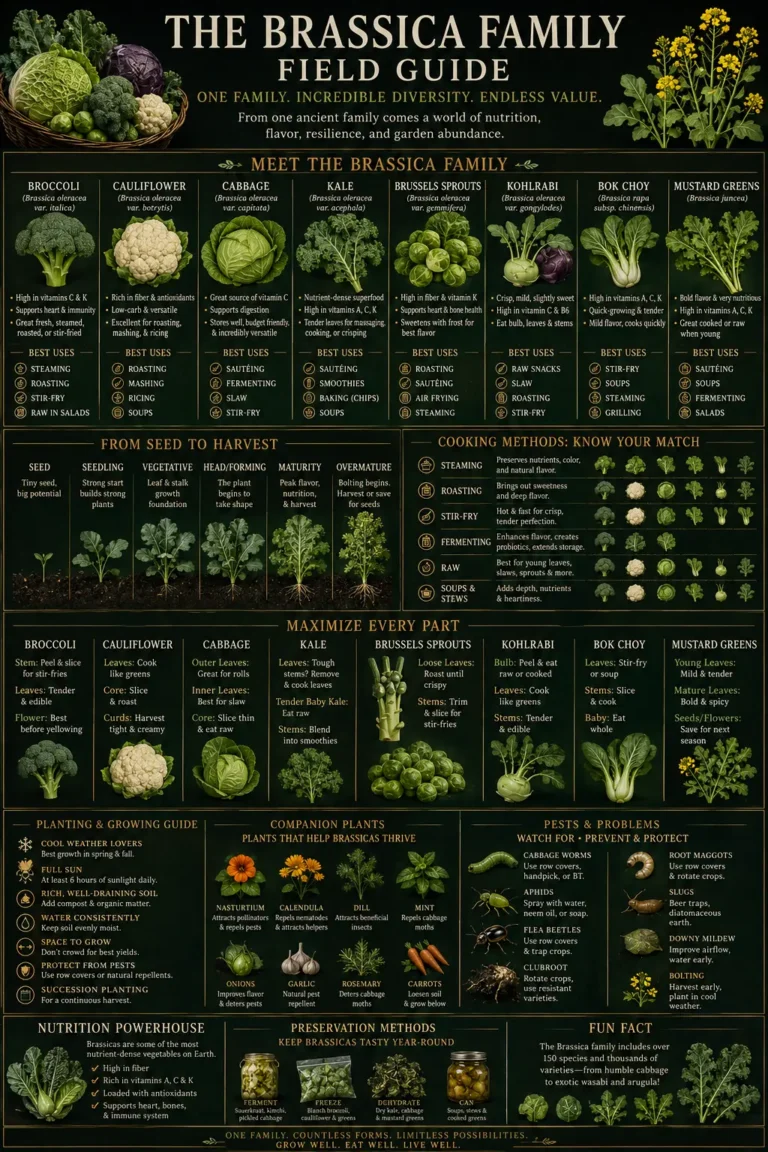
It stores differently from onions, garlic, potatoes, and squash, but it belongs in the winter food conversation because it can become slaw, braise, soup, stir-fry, sauerkraut, stuffed cabbage, cabbage rolls, and winter salads.
Cabbage brings crunch, sulfur, sweetness, and fermenting power.
It also reminds us that a root cellar is not a botanical category.
It is a food security system.
Best Uses:
Slaws, soups, braises, stir-fries, cabbage rolls, sauerkraut, ferments.
Storage Lesson:
Store cold and humid, but manage odor and airflow. Keep away from crops that easily absorb odors when possible.
Garden Value:
Cabbage can become fresh food, stored food, and fermented food.
Kitchen Lesson:
Raw cabbage brings crunch. Cooked cabbage brings sweetness. Fermented cabbage brings acidity and preservation.
Root Cellar Lesson:
Cabbage teaches that winter storage is bigger than roots.
Apples and Pears: The Fruit Cellar Note
Apples and pears often appear in old root cellar conversations, but they require care.
They can release ethylene, which can speed ripening and aging in nearby produce. They can also share aromas with other crops. A good storage system keeps fruit separate from odor-sensitive vegetables and checks stored fruit regularly.
Still, apples and pears belong in the wider pantry conversation.
They become fresh snacks, sauces, pies, dried fruit, cider, vinegar, chutney, preserves, and winter sweetness.
Best Uses:
Fresh eating, baking, sauces, drying, cider, chutney, preserves.
Storage Lesson:
Store separately when possible. Check often. Remove damaged fruit quickly.
Garden Value:
Tree fruit extends the storage pantry beyond vegetables.
Kitchen Lesson:
Use softer fruit first. Save firmer, better-keeping fruit for later.
Root Cellar Lesson:
Fruit teaches separation. Not everything that stores should store together.
Cooking Roots: Match the Method
Root cellar crops become more valuable when the cook knows what each one wants.
The same crop can become boring or brilliant depending on method.
Roast
Roasting is one of the best methods for root crops.
It concentrates sweetness, softens texture, and adds browned flavor.
Best crops for roasting:
Carrots.
Beets.
Potatoes.
Sweet potatoes.
Parsnips.
Turnips.
Rutabagas.
Celeriac.
Winter squash.
Onions.
Garlic.
Roasting turns storage crops into comfort.
Add olive oil, salt, herbs, garlic, onions, pepper, smoked paprika, thyme, rosemary, sage, cumin, coriander, or chili flakes.
A roasting pan is one of the easiest ways to make winter vegetables feel abundant.
Mash
Mashing turns storage crops into comfort.
Best crops for mashing:
Potatoes.
Sweet potatoes.
Turnips.
Rutabagas.
Parsnips.
Celeriac.
Carrots in blends.
Winter squash.
A good mash can be rustic or smooth. It can be enriched with butter, olive oil, garlic, herbs, broth, cream, cheese, roasted onions, or browned butter.
Mashing is also one of the best ways to blend stronger roots with milder ones.
Turnips with potatoes.
Parsnips with carrots.
Celeriac with potatoes.
Rutabagas with butter and cream.
The mash is where humble crops become comfort food.
Soup and Stew
Root cellar crops are soup builders.
Potatoes, carrots, onions, garlic, parsnips, turnips, rutabagas, celeriac, beets, cabbage, and winter squash all become deeply useful in winter soups and stews.
Soup is one of the best ways to use damaged-but-sound crops, imperfect cuts, odd sizes, and mixed harvests.
A soup pot forgives what a salad plate does not.
Root cellar soup can be smooth, chunky, creamy, brothy, spicy, smoky, or rustic.
It is winter resilience in a pot.
Pickle and Ferment
Roots can become bright, acidic, and alive.
Beets, carrots, radishes, daikon, turnips, onions, garlic, cabbage, and rutabagas in mixed ferments help balance heavy winter meals with crunch and acidity.
Pickles and ferments matter because storage crops can become heavy if every meal is roast, mash, and stew.
Acid wakes up the pantry.
A jar of pickled beets or fermented carrots can make simple winter food feel alive again.
Bake
Some root cellar crops are natural baking ingredients.
Potatoes, sweet potatoes, winter squash, beets, carrots, and parsnips can become breads, cakes, muffins, pies, gratins, casseroles, and baked sides.
This is where storage crops become dessert, breakfast, holiday food, and comfort.
Carrot cake.
Pumpkin pie.
Sweet potato bread.
Beet chocolate cake.
Potato rolls.
Butternut gratin.
The root cellar does not only feed dinner.
It feeds memory.
Grate and Raw
Some roots are excellent raw.
Carrots, beets, radishes, daikon, turnips, celeriac, cabbage, and kohlrabi bring crunch and freshness to winter food.
This matters because winter meals can become too soft.
Too brown.
Too heavy.
Too cooked.
Raw roots bring life back to the table.
Grated carrot salad, beet slaw, celeriac remoulade, daikon pickle, cabbage slaw, and radish slices all help the winter kitchen feel fresh.
The Root Cellar Kitchen Decision Guide
| If you want… | Choose… | Best Method |
|---|---|---|
| Sweet roasted vegetables | Carrots, parsnips, beets, sweet potatoes, winter squash | Roast |
| Comfort mash | Potatoes, rutabagas, turnips, celeriac, sweet potatoes | Mash |
| Soup foundation | Onions, garlic, carrots, potatoes, celeriac, winter squash | Simmer |
| Bright winter contrast | Beets, carrots, daikon, radishes, turnips | Pickle or ferment |
| Pantry sweetness | Sweet potatoes, winter squash, carrots, beets | Bake |
| Raw crunch | Carrots, radishes, daikon, cabbage, celeriac | Grate or slice |
| Flavor base | Onions, garlic, leeks, shallots | Sauté |
| Meal security | Potatoes, onions, carrots, winter squash, beans | Store and rotate |
| Replanting value | Garlic, potatoes, sweet potato slips, seeds where appropriate | Save carefully |
| Waste reduction | Damaged-but-sound crops | Use first, cook, freeze, or preserve |
Preserve the Harvest
Storing whole crops is only one preservation tool.
The strongest pantry uses several.
Store Whole
The simplest preservation method is storing the crop whole under the right conditions.
This works best when each crop receives the environment it actually needs.
Whole storage is best for:
Carrots.
Beets.
Potatoes.
Sweet potatoes.
Onions.
Garlic.
Parsnips.
Turnips.
Rutabagas.
Celeriac.
Daikon.
Winter squash.
Cabbage.
Apples.
Pears.
Whole storage preserves flexibility because the crop can become many meals later.
A frozen soup is already a soup.
A carrot in storage can still become salad, roast, soup, ferment, or stock.
That flexibility is valuable.
Freeze
Freezing is excellent for cooked or blanched vegetables, mashed roots, winter squash purée, soup bases, roasted garlic, and prepared meal components.
Freeze:
Cooked pumpkin purée.
Roasted squash.
Mashed sweet potatoes.
Soup starter packs.
Blanched carrots.
Roasted garlic.
Celeriac purée.
Cooked beets.
Root vegetable soup bases.
Freezing changes texture, so it is best for future cooked dishes rather than crisp raw uses.
Freeze in meal-sized portions.
A freezer full of usable portions is a pantry.
A freezer full of mystery blocks is avoidance.
Dry
Drying works for onions, garlic, carrots, beets, celery-root-style soup mixes, herbs, root vegetable chips, and powders.
Dried vegetables can become:
Soup mixes.
Seasoning blends.
Powders.
Backpacking meals.
Stock boosters.
Pantry flavor.
Drying reduces volume dramatically. A pile of onions can become a jar. A tray of garlic can become powder. A batch of carrot slices can become soup mix.
Drying is especially useful when shelf space is limited.
The key is drying thoroughly and storing away from moisture.
Pickle
Pickling is excellent for beets, carrots, onions, garlic, radishes, daikon, turnips, and mixed root vegetables.
Pickles bring acid, crunch, color, and contrast.
They are especially useful in winter because root cellar meals can become heavy.
Pickled beets brighten potatoes.
Pickled carrots lift rice bowls.
Pickled onions wake up beans.
Pickled daikon cuts through rich food.
For shelf-stable pickles, use tested recipes and proper processing methods.
Do not guess.
Ferment
Fermented roots can become sauerkraut-style mixes, kimchi-style daikon, fermented carrots, beet kvass, fermented turnips, and mixed vegetable ferments.
Fermentation requires safe salt ratios, clean technique, appropriate temperature, and appropriate storage.
Fermented roots are especially valuable because they transform storage crops into tangy, living condiments and sides.
Fermentation is not simply storage.
It is transformation.
Can
Most plain vegetables are low-acid foods and require pressure canning for shelf-stable storage. The National Center for Home Food Preservation states that pressure canning is the only recommended method for canning low-acid foods such as vegetables, meat, poultry, and seafood.
Boiling-water canning is for properly acidified foods such as tested pickles, relishes, and chutneys.
Do not guess with canning.
A sealed jar is not automatically a safe jar.
The National Center for Home Food Preservation emphasizes research-based processing times and safe methods for canned foods.
This is one of the most important safety principles in the entire preservation pantry.
Food should be preserved with respect.
Preservation Method Chart
| Preservation Method | Best Crops | Best Future Uses | Key Safety Note |
|---|---|---|---|
| Whole Storage | Potatoes, carrots, beets, onions, garlic, squash, roots | Flexible winter cooking | Match crop to storage zone. |
| Freezing | Cooked squash, mashed roots, soup bases, roasted garlic | Soups, casseroles, sides, meal prep | Texture changes; portion before freezing. |
| Drying | Onions, garlic, carrots, beets, soup mixes | Seasoning, soups, backpacking meals | Dry thoroughly to prevent spoilage. |
| Pickling | Beets, carrots, onions, garlic, radishes, daikon | Bright sides, sandwiches, bowls | Use tested recipes for shelf stability. |
| Fermenting | Cabbage, carrots, daikon, beets, turnips | Condiments, sides, fermented pantry | Use proper salt ratios and clean technique. |
| Pressure Canning | Plain low-acid vegetables | Shelf-stable jars | Use tested methods and correct pressure. |
| Refrigerating | Small harvests, short-term crops | Temporary storage | Not a long-term strategy for all crops. |
Modern Root Cellar Options
Not everyone has an underground root cellar.
That does not mean the root cellar idea is useless.
A modern root cellar is any intentional system that gives crops the conditions they need for as long as reasonably possible.
Possible modern storage zones include:
A basement corner.
An insulated garage area that does not freeze.
A bulkhead.
A cool closet.
A spare refrigerator for roots.
A protected porch box in suitable climates.
A buried trash-can-style root storage system.
A cooler with ventilation and monitoring.
A crawlspace that stays within safe temperature ranges.
A pantry shelf for onions, garlic, and squash.
The key is not nostalgia.
The key is matching crop needs.
A perfect old-fashioned cellar is wonderful.
A well-managed modern storage map is still powerful.
Building a Simple Home Storage Map
A beginner does not need to store every crop perfectly in year one.
Start with zones.
Step 1: Measure the Space
Use a thermometer and humidity gauge.
Guessing is weaker than measuring.
Check your basement, pantry, garage, closet, and refrigerator.
Where is it cold?
Where is it dry?
Where is it humid?
Where is it dark?
Where does temperature swing too much?
Where might rodents or pests become a problem?
Step 2: Assign Crops to Zones
Do not put everything together.
Roots want one environment.
Bulbs want another.
Sweet potatoes want another.
Squash wants another.
Potatoes want darkness.
Fruit may need separation.
A good root cellar is a set of neighborhoods.
Step 3: Sort Before Storage
Perfect crops go into long storage.
Damaged crops go into the kitchen first.
Questionable crops are not storage crops.
Storage does not improve damage.
It reveals it.
Step 4: Label and Date
Label bins, crates, and shelves.
Write variety names when known.
Write harvest dates.
Write “use first” on damaged-but-sound crops.
A labeled cellar is easier to cook from.
Step 5: Inspect Regularly
Stored food is alive.
It changes.
Visit it. Smell it. Touch it. Rotate it. Remove problems early.
The root cellar is not a museum.
It is an active pantry.
The Root Cellar Rules
Cure What Needs Curing
Onions, garlic, potatoes, sweet potatoes, pumpkins, and winter squash are examples of crops that often benefit from curing before longer storage.
Curing helps heal wounds, toughen skins or rinds, dry necks, and reduce storage losses.
Skipping curing can turn good crops into short-term crops.
Remove Tops From Roots
Carrots, beets, turnips, radishes, and similar roots should have tops removed before storage.
The greens continue to pull moisture from the roots.
Use edible greens quickly when appropriate.
Store the roots separately.
Do Not Store Everything Together
Different crops need different conditions.
A good root cellar is not one pile.
It is a map.
Carrots and onions do not want the same humidity.
Sweet potatoes and potatoes do not want the same temperature.
Winter squash and beets do not want the same storage environment.
Fruit and vegetables may not be good neighbors.
Storage is crop-specific.
Darkness Matters
Potatoes especially need protection from light because light exposure promotes greening.
Darkness is not just about appearance.
It is food quality and safety.
Airflow Matters
Storage crops are still alive.
They breathe.
Stagnant, damp, unventilated storage encourages problems.
Airflow helps prevent trapped moisture and decay.
Check Regularly
Stored food is not forgotten food.
Remove anything soft, moldy, leaking, badly sprouted, excessively green, or rotting.
One bad crop can shorten the life of others.
Use Damaged Crops First
Perfect crops go into long storage.
Bruised, cut, nicked, cracked, or questionable crops go into the kitchen first.
This one rule can save a harvest.
Do not ask damaged produce to do a perfect crop’s job.
Common Root Cellar Mistakes
Mistake 1: Treating the Root Cellar as One Temperature
Carrots and sweet potatoes do not want the same storage conditions.
Garlic and beets do not want the same humidity.
Winter squash and potatoes do not behave the same way.
The cellar is not one environment.
It is a set of zones.
Mistake 2: Storing Wet Produce Without Drying or Ventilation
Moisture can protect some roots from shriveling, but trapped wetness can encourage decay.
Cold and humid is not the same as sealed and soggy.
Humidity must be managed.
Mistake 3: Skipping Curing
Some crops need time between harvest and storage.
Skipping curing can reduce storage life.
Onions, garlic, potatoes, sweet potatoes, pumpkins, and winter squash are all examples where curing may matter depending on crop and conditions.
Mistake 4: Ignoring Bruises and Cuts
Damaged crops often fail first.
Use them quickly.
Cut out sound portions when appropriate, cook promptly, freeze cooked food, or preserve safely.
Do not bury damage in the storage bin and hope.
Mistake 5: Forgetting to Check the Cellar
A root cellar is not a museum.
It is an active pantry.
Visit it.
Smell it.
Check it.
Rotate it.
Cook from it.
Mistake 6: Refrigerating the Wrong Crops
Some produce is better outside the refrigerator.
Whole winter squash, dry onions, and properly stored potatoes generally belong in cool, dark, dry, ventilated spaces rather than in ordinary refrigerator storage.
Sweet potatoes are especially sensitive to cold.
Storage is not about making everything colder.
It is about making everything comfortable enough to last.
Mistake 7: Forgetting the Cooking Plan
Storage without cooking is delayed waste.
A bin of carrots is not useful if you never use carrots.
A shelf of squash is not wealth if the squash becomes decoration until it rots.
Every stored crop needs a route into meals.
Soup night.
Roast tray.
Mash.
Pickles.
Stock.
Stew.
Hash.
Casserole.
A storage crop becomes wealth only when it enters the kitchen.
Common Root Cellar Problems and What They Usually Mean
| Problem | Likely Cause | What to Do |
|---|---|---|
| Carrots shrivel | Storage too dry, tops left on, poor humidity | Remove tops, store cold and humid, use shriveled roots in soup or stock if sound. |
| Beets soften | Moisture loss, age, poor storage | Store cold and humid, use soft-but-sound beets cooked. |
| Potatoes green | Light exposure | Store in darkness; discard excessively green potatoes. |
| Potatoes sprout | Storage too warm, long storage, variety | Store cooler and dark; remove questionable potatoes; use sound sprouting potatoes promptly. |
| Onions mold | Inadequate curing, too much humidity, poor airflow | Cure fully, store dry and ventilated, remove soft bulbs. |
| Garlic shrivels | Too warm, too dry, long storage | Improve storage conditions; use older garlic first. |
| Sweet potatoes develop off texture | Stored too cold or poorly cured | Cure properly, store warmer than potatoes, avoid refrigeration for long storage. |
| Winter squash softens | Damage, immature harvest, poor curing, poor airflow | Use damaged squash first, store sound squash only. |
| Mold spreads in bin | One bad crop, trapped moisture, poor inspection | Remove affected crops, clean bin, improve airflow, check more often. |
| Stored crops smell bad | Rot, anaerobic conditions, poor ventilation | Remove rotting crops immediately and clean storage area. |
A Quick Note About Food Safety
Root cellar crops are sturdy, but they are not invincible.
Discard crops that are moldy, slimy, leaking, badly rotted, or smell off.
Use damaged-but-sound crops quickly.
Do not can low-acid vegetables without tested pressure-canning instructions.
Do not assume a sealed jar means safe food.
Do not store potatoes in light.
Do not feed spoiled produce to people or pets.
Do not treat unknown preservation methods as safe because they are traditional or popular online.
A good pantry is not only full.
It is safe.
A Quick Note About Pets
Many root cellar crops are safe for people but not automatically safe for pets.
Onions, garlic, chives, and other alliums can be harmful to dogs and cats.
Green potato parts, sprouts, and spoiled produce should also be kept away from pets.
Plain cooked pumpkin or sweet potato may be used in some pet diets, but that does not make every root cellar dish pet-safe.
Keep seasoned foods, rich casseroles, alliums, compost scraps, spoiled vegetables, and green potato parts away from animals.
A good kitchen garden feeds the household.
It should also protect it.
Root Cellar Crops as Wealth Garden Crops
In the Wealth Garden system, root cellar crops are stored resilience crops.
They are not primarily freshness crops like lettuce.
They are not primarily flavor multiplier crops like herbs.
They are not primarily abundance crops like zucchini.
They are not primarily protein crops like beans.
They are winter wealth crops.
They convert garden effort into time.
A basket of potatoes is time.
A crate of onions is time.
A braid of garlic is time.
A bin of carrots is time.
A shelf of winter squash is time.
Time you do not have to spend shopping.
Time you do not have to spend wondering what to cook.
Time you can turn into soup, roast, mash, stew, pie, stock, and family meals.
This is why root cellar crops matter.
They make the garden last longer than the garden season.
The $10,000 Garden Insight: The Storage Multiplier Effect
A single carrot is food.
A bin of carrots is a system.
A single onion is an ingredient.
A rack of cured onions is a winter foundation.
A single potato is a side dish.
A crate of potatoes is meal security.
The storage multiplier effect happens when a harvest does not have to be eaten immediately.
Instead, it becomes options:
Roast tonight.
Soup next week.
Mash in December.
Stew in January.
Stock when scraps pile up.
Pickles when meals need brightness.
Seeds, cloves, slips, or planting stock saved for next year.
Compost returned to the soil.
This is how the garden becomes more than production.
It becomes planning.
And planning is a form of wealth.
The value is not only the crop.
It is the time window the crop creates.
Fresh food says:
Eat me now.
Stored food says:
I will be here when you need me.
That is a different kind of abundance.
It is quieter.
It is less dramatic.
But in a household system, it may be even more powerful.
The 1% Garden Rule for Root Cellar Crops
Root cellar crops are perfect for the 1% Garden Rule because they reward small, repeated checks.
Fifteen minutes is enough to:
Sort a basket of potatoes.
Remove soft onions.
Check squash stems.
Move damaged crops to the “use first” area.
Label a bin.
Start a soup.
Freeze cooked squash.
Pickle a jar of beets.
Inventory garlic.
Plan a root vegetable roast.
The root cellar does not need constant labor.
It needs consistent attention.
A few minutes each week can protect months of food.
That is the kind of small habit that compounds.
The Root Cellar Meal System
A good storage pantry should not only answer:
“What do I have?”
It should answer:
“What meals can this become?”
| Crop Combination | What It Becomes |
|---|---|
| Potatoes + onions + garlic | Soup, hash, gratin, roast, stew base |
| Carrots + celery/celeriac + onions | Stock, soup base, mirepoix-style foundation |
| Beets + onions + vinegar | Pickles, salads, relish, winter brightness |
| Sweet potatoes + garlic + greens | Hash, curry, bowls, soups |
| Winter squash + onions + broth | Soup, purée, risotto base, curry |
| Rutabaga + potatoes + butter | Mash, pasties, stew thickener |
| Daikon + carrots + salt | Pickles, ferments, slaws |
| Garlic + onions + beans + roots | Budget-friendly winter meals |
| Apples + winter squash + onions | Roasts, soups, chutneys, stuffing |
| Cabbage + carrots + salt | Slaw, sauerkraut, winter salads |
A root cellar is not only an ingredient list.
It is a meal engine.
Download the Printable Root Cellar Field Guide
If this guide helped you see storage crops differently, you can download the printable field guide version for your kitchen, pantry, garden binder, or root cellar wall.
The Root Cellar printable poster includes:
Root cellar crop types.
Best kitchen uses.
Storage categories.
Curing reminders.
Cooking method matches.
Preservation options.
At-a-glance choosing guide.
Garden-to-table wisdom.
Winter pantry reminders.
Crop separation notes.
“Use first” storage logic.
Launch price: $0.99
[Button: Download the Printable Root Cellar Field Guide]
Frequently Asked Questions About Root Cellars
What is a root cellar?
A root cellar is a storage system designed to keep certain crops fresh after harvest by managing temperature, humidity, darkness, ventilation, and crop separation. It does not have to be an old underground room. A modern root cellar can be a basement zone, garage setup, spare refrigerator, pantry shelf, or other controlled storage area.
What crops store best in a root cellar?
Common root cellar crops include carrots, beets, potatoes, parsnips, turnips, rutabagas, celeriac, radishes, daikon, onions, garlic, winter squash, pumpkins, cabbage, apples, and pears. Each crop needs different conditions.
Do all root cellar crops need cold storage?
No. This is one of the biggest mistakes. Carrots and beets like cold, humid storage. Onions and garlic prefer cool, dry airflow. Sweet potatoes need warmer storage than true roots. Winter squash prefers cool, dry conditions rather than cold, damp storage.
Should carrots and beets have their tops removed before storage?
Yes. Remove leafy tops before storing roots like carrots, beets, turnips, and radishes because greens continue pulling moisture from the roots.
Can potatoes and onions be stored together?
It is usually better to store them separately. They prefer different conditions, and grouping storage crops without regard to humidity, airflow, and ripening behavior can shorten storage life.
Why do potatoes turn green?
Potatoes turn green when exposed to light. The green color itself is chlorophyll, but it can signal increased glycoalkaloids. Excessively green potatoes should not be treated as normal food.
Do sweet potatoes store like regular potatoes?
No. Sweet potatoes need curing and warmer storage than regular potatoes. Cold storage can damage them.
Do winter squash need curing?
Many winter squash and pumpkins benefit from curing, depending on type and condition. Curing helps toughen rinds and improve storage potential. Damaged squash should be used first.
Can I root cellar vegetables in a modern house?
Yes, if you think in zones. A basement corner, garage area that does not freeze, spare refrigerator, cool closet, pantry shelf, or protected storage box may work for certain crops. Measure temperature and humidity rather than guessing.
What should I do with damaged crops?
Use damaged-but-sound crops first. Cut, bruised, cracked, or nicked crops generally should not go into long-term storage. Cook, freeze, preserve, or eat them before the perfect crops.
Can root cellar crops be canned?
Many root cellar crops can be canned only with proper tested methods. Plain low-acid vegetables require pressure canning. Pickles and relishes require tested acidified recipes. Do not guess.
What is the best beginner root cellar crop?
Potatoes, onions, garlic, carrots, and winter squash are strong beginner crops because they are widely used in the kitchen. Start with crops your household already eats.
Where This Connects
If you are building the full Gardening Chef Field Guide Library, this root cellar guide connects naturally to the rest of the system.
The Potato Field Guide
Potatoes are one of the major root cellar crops, but they deserve their own guide because starch, texture, and cooking method change everything.
The Onion Family Field Guide
Onions, shallots, leeks, scallions, and chives are essential flavor foundations. Dry onions also belong in the storage pantry when properly cured.
The Garlic Field Guide
Garlic connects storage, flavor, curing, replanting, and compounding better than almost any crop.
Leafy Greens and Bitter Greens
Root cellar crops can become heavy if eaten alone. Greens bring freshness, bitterness, and vitality to winter meals.
Beans and Peas: The Protein and Soil Builder Guide
Beans and roots are pantry partners. Together they create soups, stews, curries, braises, winter bowls, and budget-friendly meals.
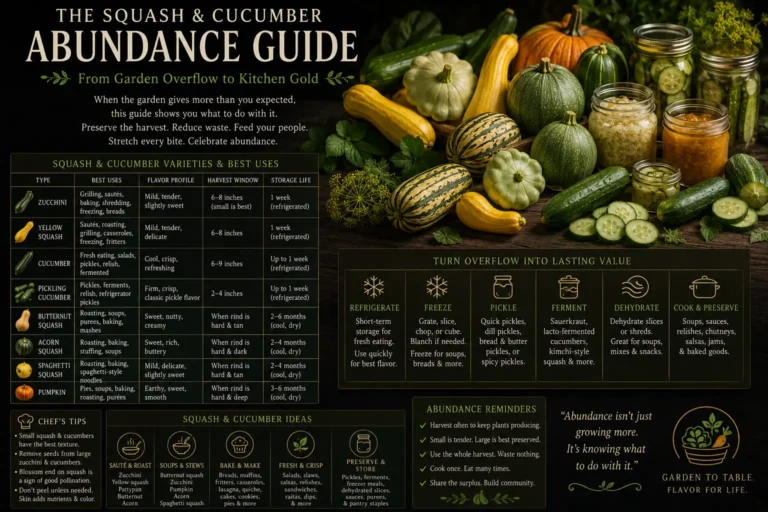
The Squash & Cucumber Abundance Guide
Winter squash belongs in the root cellar system, while summer squash teaches urgent abundance. Together, they show the difference between immediate harvest and stored harvest.
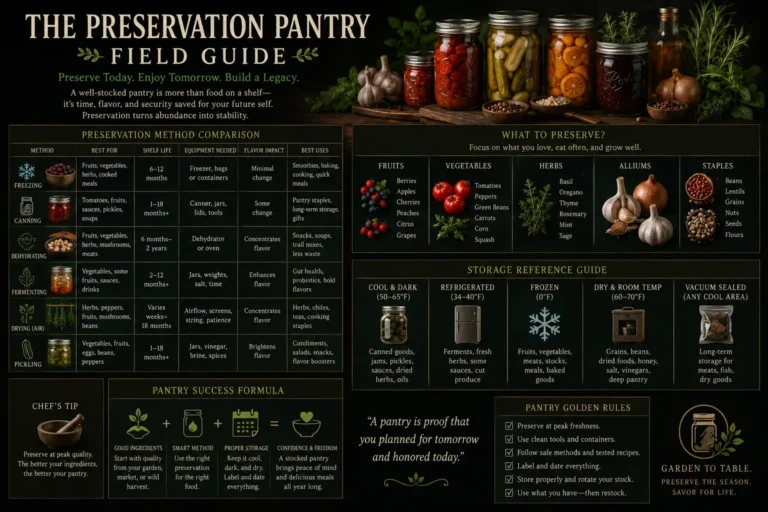
The Preservation Pantry Guide
The root cellar is one preservation tool, but drying, freezing, fermenting, pickling, pressure canning, and dehydrating complete the pantry system.
This root cellar guide is one piece of a much larger system.
The more pieces you connect, the clearer the kitchen garden becomes.
Source Notes for Accuracy
This guide follows the storage-zone framework from your draft and strengthens it with current extension and food preservation guidance. University of Minnesota Extension identifies curing as important for crops such as onions, garlic, pumpkins, winter squash, potatoes, and sweet potatoes. University of Maine Extension emphasizes that different produce requires different storage methods and clean, dry, ventilated storage spaces. Alabama Cooperative Extension provides specific sweet potato curing and storage conditions. Oregon State University Extension explains the potato greening and glycoalkaloid concern. The National Center for Home Food Preservation provides research-based home food preservation guidance and identifies pressure canning as the recommended method for low-acid vegetables.
The Root Cellar Field Guide Lesson
Most people think the garden ends at harvest.
The root cellar says otherwise.
A carrot in the bin is still part of the garden.
A potato in the dark is still part of the harvest.
A cured onion is still holding summer.
A garlic bulb is still carrying next year.
A winter squash on the shelf is still waiting to become soup.
A jar of pickled beets is still a field transformed.
A basket of roots is not leftovers from the season.
It is the season, extended.
Root cellar crops teach patience, storage, thrift, planning, and respect.
They remind us that food is not only what is fresh today.
Food is what we care for until it is needed.
That is the heart of The Gardening Chef.
Final Thought
Fresh food teaches urgency.
Stored food teaches patience.
A tomato asks you to eat it now.
A basil leaf asks you to use it before it fades.
A cucumber asks you to catch it at the right moment.
But a root cellar crop asks something deeper:
Can you protect value after the excitement of harvest is over?
That is the winter lesson.
The garden gives.
The cellar remembers.
The kitchen transforms.
The household benefits.
Grow it.
Cure it.
Store it.
Cook it.
Share it.
Honor the season.