In Central Virginia: Planting Dates, Harvest Windows & More
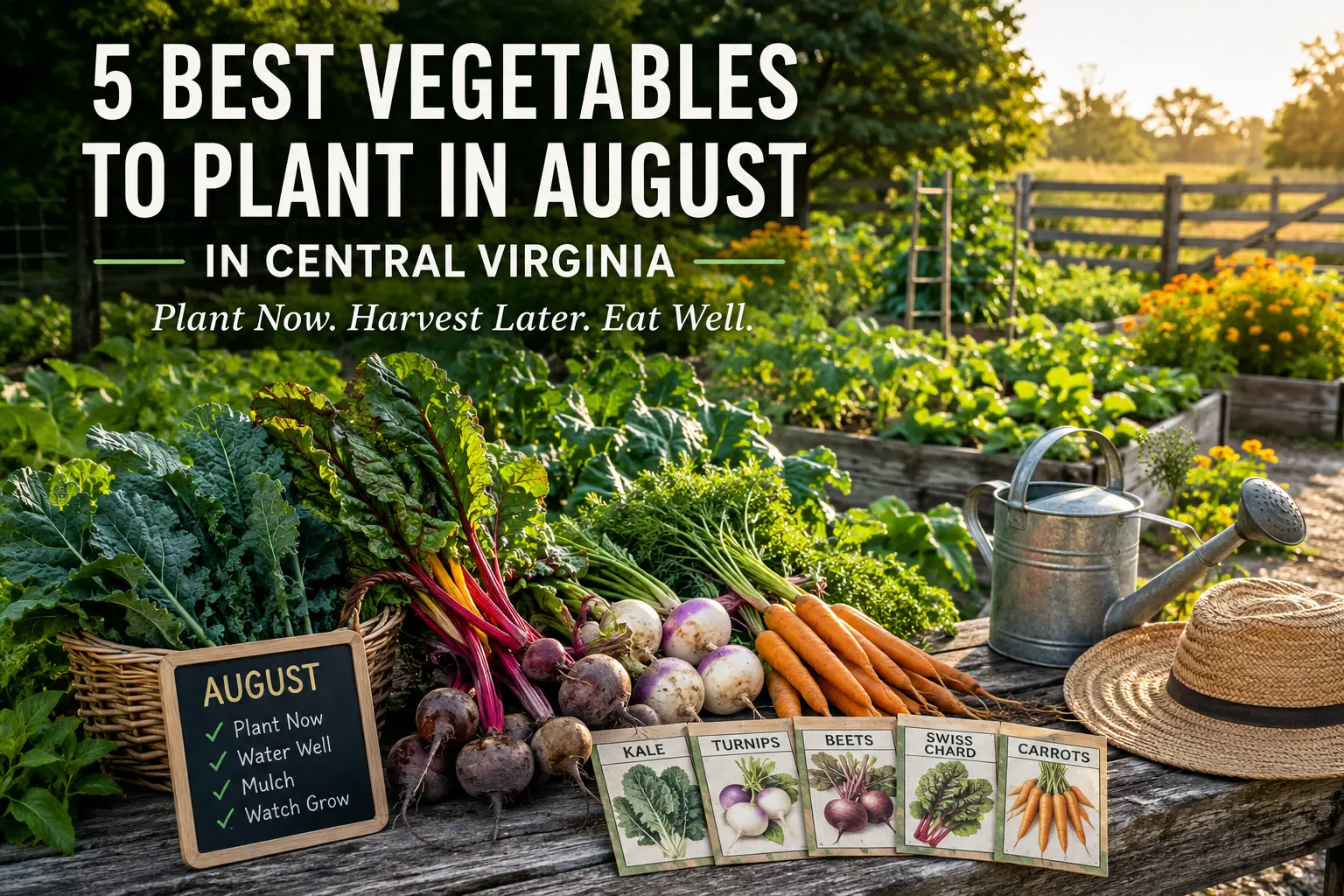
Plant these five vegetables in August: kale and collards, turnips, beets, Swiss chard, and carrots.
For gardeners in Bedford and much of Central Virginia, August is not the end of the growing season. It is the handoff between the summer garden and the fall garden.
The most important timing lesson is equally simple:
Plant carrots while their window remains open. Prepare for spinach, but wait for cooler planting conditions when necessary.
What to Plant in August
| Rank | Vegetable | Why it deserves space | Gardening Chef verdict |
|---|---|---|---|
| 1 | Kale and collards | Repeated harvests, strong cold tolerance, and broad kitchen use | Best overall choice |
| 2 | Turnips | Fast-growing greens and roots from one planting | Best two-for-one crop |
| 3 | Beets | Edible leaves, stems, and roots with excellent preservation potential | Best whole-plant value |
| 4 | Swiss chard | Handles lingering summer heat better than spinach and continues into fall | Best seasonal bridge |
| 5 | Carrots | Familiar, versatile, and valuable for storage—but time-sensitive | Best storage crop |
Planting priorities at a glance
- Plant first: Carrots, especially during early or mid-August.
- Plant through August: Kale, collards, Swiss chard, beets, and turnips as their local planting windows open.
- Prepare now but plant later: Spinach and many radishes, which often establish better as the worst summer heat begins to ease.
The exact date will depend on your location, variety, soil, and microclimate. This list gives Central Virginia gardeners a practical place to begin.
Central Virginia August Planting Windows
The following dates are starting points based on Virginia Cooperative Extension guidance. Adjust them for your elevation, first-frost history, current weather, selected variety, and conditions in the garden.
| Vegetable | Zone 7a fall planting window | Zone 7b fall planting window | Typical days to maturity |
|---|---|---|---|
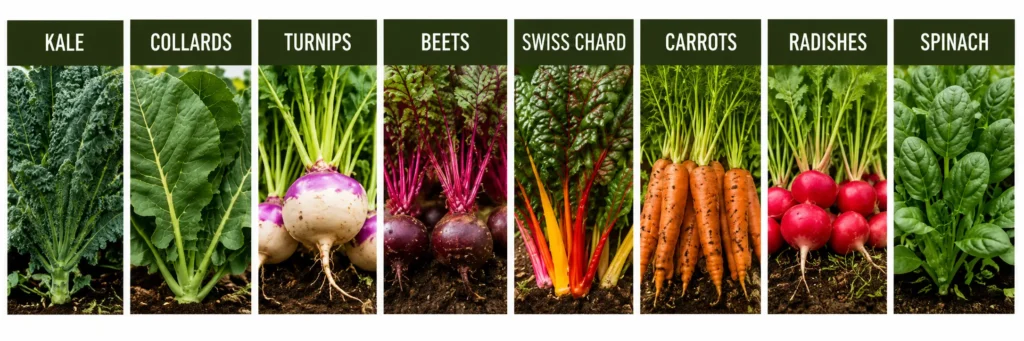
| Kale and collards | August 1–September 10 | August 10–September 20 | 45–80 days |
| Turnips | August 10–September 20 | August 20–September 20 | 30–60 days |
| Beets | August 10–September 10 | August 10–September 20 | 45–80 days |
| Swiss chard | August 1–September 10 | August 10–September 20 | 50–60 days |
| Carrots | July 10–August 20 | July 20–September 1 | 55–80 days |
| Radishes | August 20–October 1 | September 1–October 10 | 25–70 days |
| Spinach | September 1–October 10 | September 10–October 20 | 35–50 days |
These crops were selected using our internal Gardening Chef Score, which considers planting-window fit, reliability, heat during establishment, cold tolerance, kitchen value, repeated harvests, and storage or preservation potential.
The public verdicts are intentionally simple. The purpose is to help you choose a crop—not bury a practical decision beneath artificial precision.
1. Kale and Collards: Best Overall August Choice
Kale and collards earn the top position because they give the gardener several ways to harvest from the same planting.
Young leaves can be used early. Larger outer leaves can be removed repeatedly while the center continues producing. As temperatures cool, these crops become increasingly useful for soups, braises, sautés, salads, casseroles, grain bowls, and freezer packages.
They are not limited to a single harvest event.
They can become a continuing production stream.
Why plant kale or collards in August?
- They offer repeated leaf harvests.
- They tolerate cool autumn weather.
- They can be harvested young or mature.
- They work in many different meals.
- Surplus leaves can be blanched and frozen.
- Their usefulness often increases as summer crops decline.
The main August challenge
The mature plant may tolerate frost, but the seedling must first survive heat, rapidly drying soil, and insect pressure.
Keep the seedbed consistently moist during germination. Inspect young plants for flea beetles, cabbageworms, loopers, aphids, and other feeding damage.
Once the plants are established, mulch can help retain moisture and moderate soil temperature.
How to harvest for continued production
Remove the larger outer leaves while protecting the growing center.
This allows the plant to continue producing instead of turning every harvest into the plant’s final harvest.
For baby greens, sow more densely and begin harvesting earlier. For mature plants and longer production, provide wider spacing.
How to use kale and collards
Young leaves can become:
- Salads
- Tender pesto
- Sandwich greens
- Smoothie additions
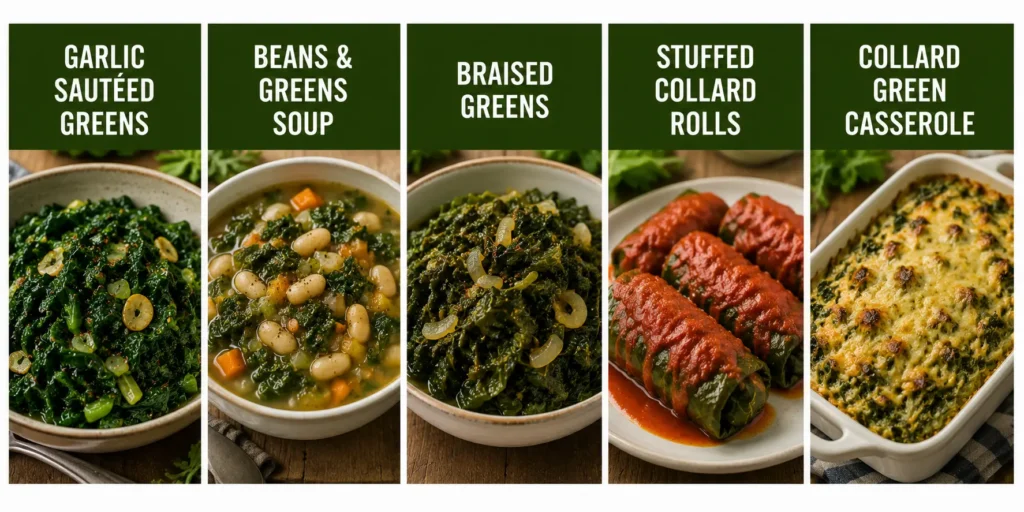
Mature leaves can become:
- Garlic-sautéed greens
- Braised greens
- Bean and greens soup
- Egg dishes
- Casseroles
- Stuffed rolls
- Frozen portions for winter meals
Gardening Chef verdict
Choose kale or collards when you want one of the most dependable and versatile fall crops.
Garden Wealth lesson
Kale and collards demonstrate recurring yield.
You can receive value from the plant while preserving its ability to keep producing.
Explore the Brassica Family Field Guide and the Leafy Greens and Bitter Greens Field Guide for Varieties, pest identification, preservation, and kitchen uses:
2. Turnips: Best Two-for-One Crop
Turnips provide two different foods from one planting.
The greens can be harvested young and cooked like other leafy vegetables. Selected plants can remain in the soil and develop roots for roasting, mashing, soup, pickling, or storage.
One seed packet can therefore produce two distinct ingredients.
Why plant turnips in August?
- They mature relatively quickly.
- Both the leaves and roots are edible.
- They can be harvested at several stages.
- They work well in succession plantings.
- They can be eaten fresh or preserved.
- They offer useful production from a modest amount of space.
The main August challenge
Turnips can become small, woody, or excessively pungent when growth is interrupted by heat and inconsistent moisture.
Water deeply and aim for steady growth rather than allowing the bed to alternate repeatedly between very dry and very wet conditions.
Two ways to manage the planting
Greens-first
Plant more densely and harvest young leaves. These plants may never produce large roots, but they provide an earlier green harvest.
Roots-first
Thin the plants so the roots have space to develop. Harvest leaves lightly so enough foliage remains to support root growth.
A third option is to divide the row:
- One section for greens
- One section for roots
- One later planting for an extended harvest
How to use turnips
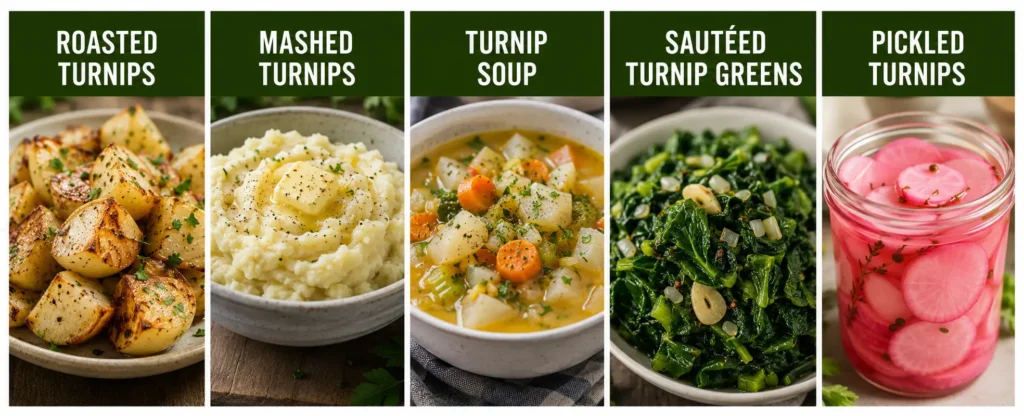
Young roots can be:
- Sliced raw
- Glazed
- Roasted
- Sautéed
- Quick-pickled
Larger roots can be:
- Mashed alone or with potatoes
- Added to soups and stews
- Roasted with other vegetables
- Puréed
- Pickled or fermented using an appropriate tested method
The greens can be cooked separately with garlic, onions, beans, broth, smoked seasonings, chile, or vinegar.
Gardening Chef verdict
Choose turnips when you want a relatively fast crop that gives you both greens and roots.
Garden Wealth lesson
The most valuable crop is not always the one that produces the largest single item.
Sometimes it is the crop that creates the greatest number of useful choices.
Explore the Root Cellar Field Guide and the Preservation Pantry Field Guide for deeper insights on storage after harvesting
3. Beets: Best Whole-Plant Value
Beets produce value above and below the soil.
Young leaves can be eaten as greens. The stems can be cooked separately. The roots can be roasted, shredded, pickled, frozen, dried, canned with tested guidance, or held in appropriate storage.
Very little of the plant needs to be treated as waste.
Why plant beets in August?
- The leaves, stems, and roots are edible.
- They can be harvested at several stages.
- They offer excellent preservation potential.
- They add color and visual appeal to meals.
- Mature roots can be stored under suitable conditions.
- Successive sowings can extend the harvest.
Beet seeds are not as simple as they look
What gardeners commonly call a beet seed is usually a clustered fruit that can contain more than one seed.
That is why several seedlings may emerge from what appeared to be one carefully planted seed.
Thinning is part of growing beets—not evidence that something went wrong.
Tender thinnings can be eaten as baby greens instead of discarded.
The main August challenge
The soil surface must remain moist while the crop germinates.
Hot, dry, or crusted soil can make emergence difficult. A very light temporary mulch can reduce surface drying, but it should not be thick enough to prevent seedlings from emerging.
Harvest leaves without stealing the root
Beet greens can be harvested, but excessive leaf removal reduces the plant’s ability to enlarge the root.
Take lightly.
The leaves are the plant’s solar collection system.
Think of the greens as a dividend—not permission to dismantle the productive asset.
How to use beets
Young leaves can be used in salads or cooked like other tender greens.
The stems can be chopped and cooked separately.
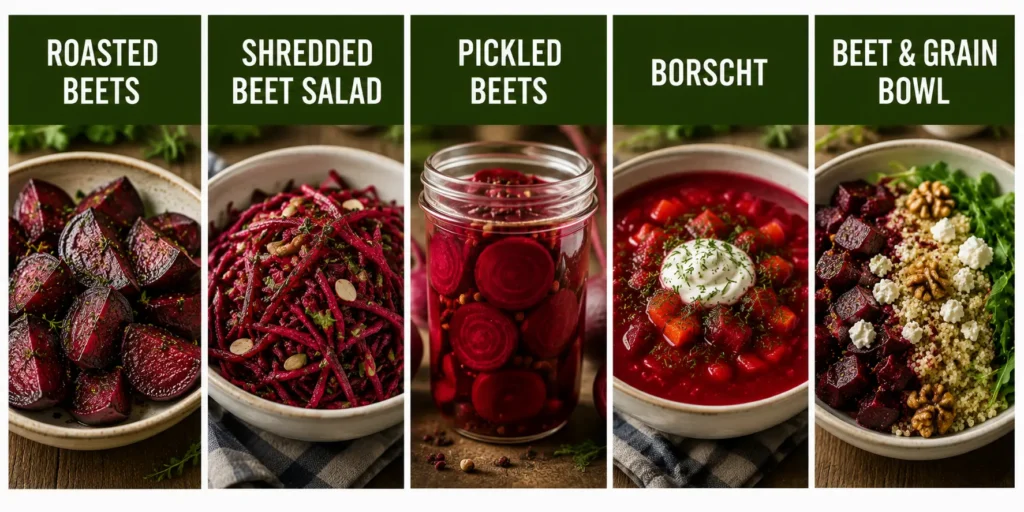
The roots can become:
- Roasted wedges
- Shredded salads
- Pickled beets
- Borscht
- Grain bowls
- Purées
- Vegetable chips
- Ferments
- Preserved pantry products
Gardening Chef verdict
Choose beets when you want multiple edible parts, strong preservation options, and excellent whole-plant value.
Garden Wealth lesson
Yield is not only the weight of the root.
Explore the Root Cellar Field Guide and the Preservation Pantry Field Guide for deeper insights on storage after harvesting
It is the total useful value recovered from the plant.
4. Swiss Chard: Best Summer-to-Fall Bridge
Swiss chard fills an important seasonal gap.
Spinach often struggles during summer heat, but Swiss chard generally tolerates warm conditions better. Once established, it can continue producing leaves as temperatures begin to moderate.
That makes chard a bridge crop.
It connects the lingering summer garden to the cooler fall garden.
Why plant Swiss chard in August?
- It tolerates more heat than spinach.
- It offers repeated outer-leaf harvests.
- Both the leaves and stems are edible.
- It works well in edible landscapes.
- It can be eaten fresh, cooked, or frozen.
- Healthy plants may continue producing well into fall.
The main August challenge
Heat tolerance does not mean drought tolerance.
Chard still needs consistent moisture during germination and establishment. Check the seedbed daily and prevent the surface from repeatedly drying.
Like beet seed, chard seed can produce more than one seedling. Tender thinnings can enter the kitchen.
Leaves and stems are different ingredients
One common kitchen mistake is treating the entire chard leaf as if every part cooks at the same speed.
It does not.
The stems need more time.
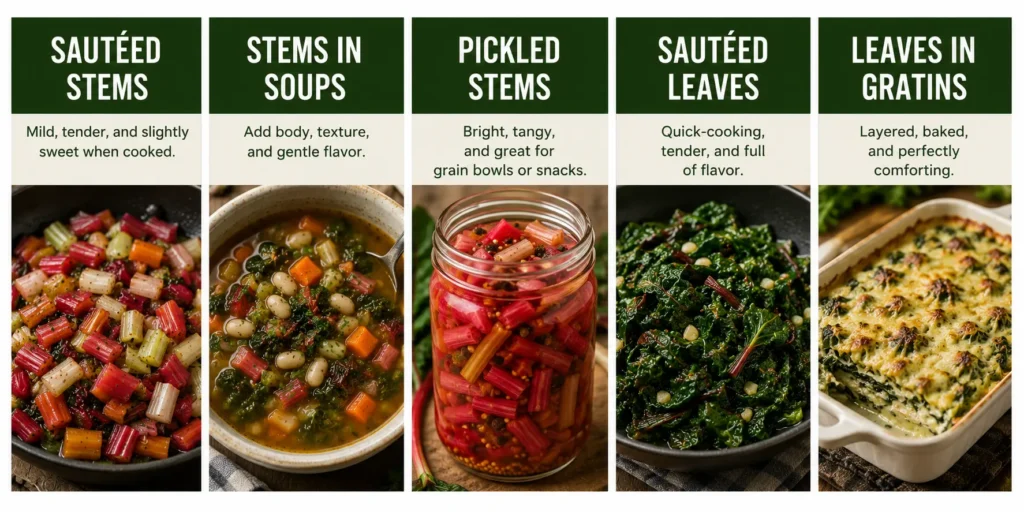
Separate the stems from the leaves. Begin cooking the chopped stems first, then add the leaves later.
The leaves can be:
- Sautéed
- Braised
- Added to soup
- Folded into eggs
- Layered into gratins
- Used in fillings
- Blanched and frozen
The stems can be:
- Sautéed separately
- Added to soups
- Chopped into grain dishes
- Pickled
- Used like another tender stalk vegetable
Gardening Chef verdict
Choose Swiss chard when you need a dependable leafy crop capable of carrying the garden from summer into fall.
Garden Wealth lesson
A resilient production system needs bridge assets.
Swiss chard helps fill the space between heat-sensitive spring greens and later fall spinach.
Deepen your knowledge on spinach and other leafy greens with the Leafy Greens and Bitter Greens Field Guide
PRODUCTION NOTE — INTERNAL LINK
Add a link to:
- Leafy Greens and Bitter Greens Field Guide
5. Carrots: Best Storage Crop—but Most Time-Sensitive
Carrots rank fifth not because they lack value.
They rank fifth because their August timing is less forgiving.
For Zone 7a, the recommended fall planting window may close around August 20. Zone 7b gardeners often have slightly more time, but waiting until late August still reduces the available growing period.
Carrots should therefore receive priority over crops whose fall planting windows open later.
Why plant carrots in August?
- They are familiar and widely used.
- They work in raw and cooked meals.
- They provide strong storage potential.
- A modest row can produce a useful harvest.
- They can remain in the ground after reaching a usable size.
- They can be frozen, pickled, or pressure-canned using tested guidance.
The main August challenge
Carrot seed is small, slow to emerge, and vulnerable to surface drying.
It should be direct-sown where the roots will grow. Deep, loose, stone-free soil encourages better-shaped roots. In heavier soil, shorter or half-long varieties may perform better than the longest carrots.
The upper layer of soil must remain consistently moist during germination.
The old board method
A simple low-tech method can help slow evaporation:
- Prepare and water the row.
- Sow the carrot seed.
- Place a board over the row.
- Check beneath it every day.
- Remove the board as soon as seedlings begin reaching the surface.
A light temporary mulch can serve a similar purpose, but it must not block emerging seedlings.
How to use carrots
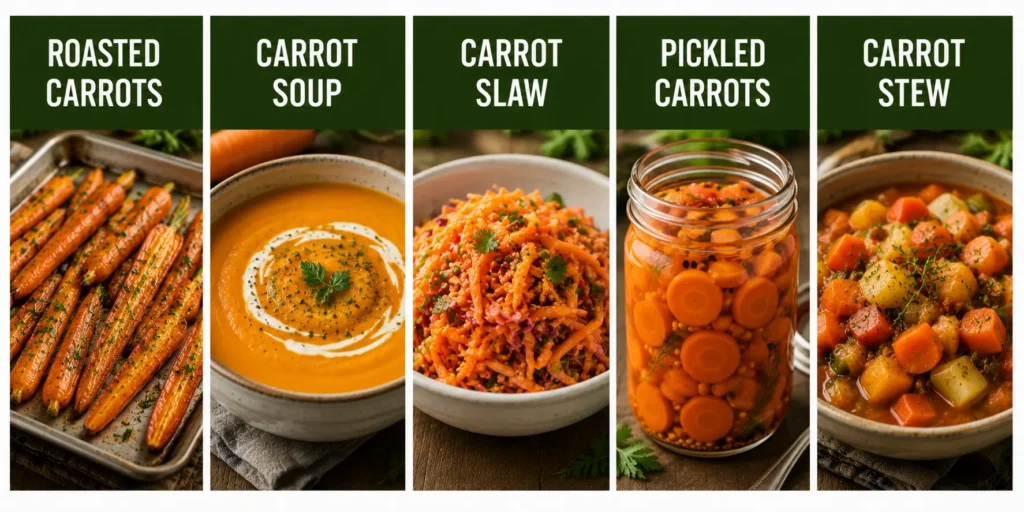
Carrots can become:
- Raw snacks
- Salads and slaws
- Roasted vegetables
- Soups
- Stews
- Braises
- Purées
- Stocks
- Pickles
- Ferments
- Frozen portions
- Pressure-canned pantry foods using tested instructions
Gardening Chef verdict
Choose carrots when the local planting window remains open and you can protect the seedbed from drying.
Garden Wealth lesson
A crop can provide excellent long-term value while remaining difficult to enter at the wrong time.
Timing is part of the return.
Deepen your knowledge by reading the Root Cellar Field Guide and the Preservation Pantry Field Guide for deeper insights on storage after harvesting
Carrots Now, Spinach Later
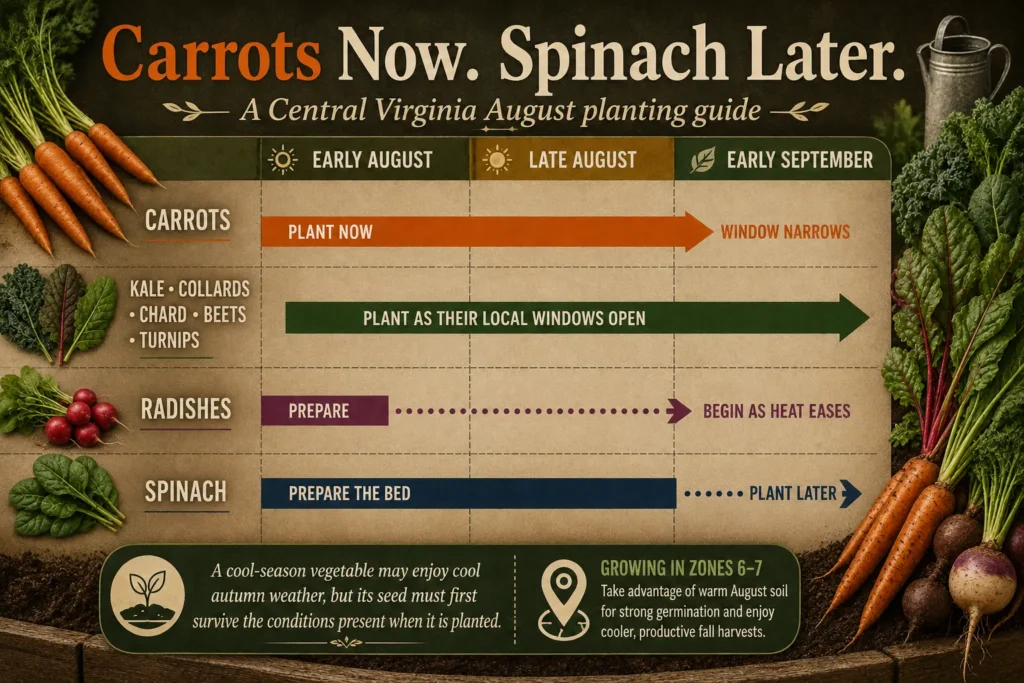
This is the most important timing distinction in the article.
Carrots need time to germinate and develop their roots before shorter autumn days substantially slow their growth.
Spinach presents a different problem. It prefers cooler conditions and may germinate poorly when sown into excessively hot soil.
The August strategy is not:
Plant every cool-season vegetable immediately.
It is:
Plant the crops whose windows are closing. Prepare for the crops whose windows are about to open.
What should you do about spinach now?
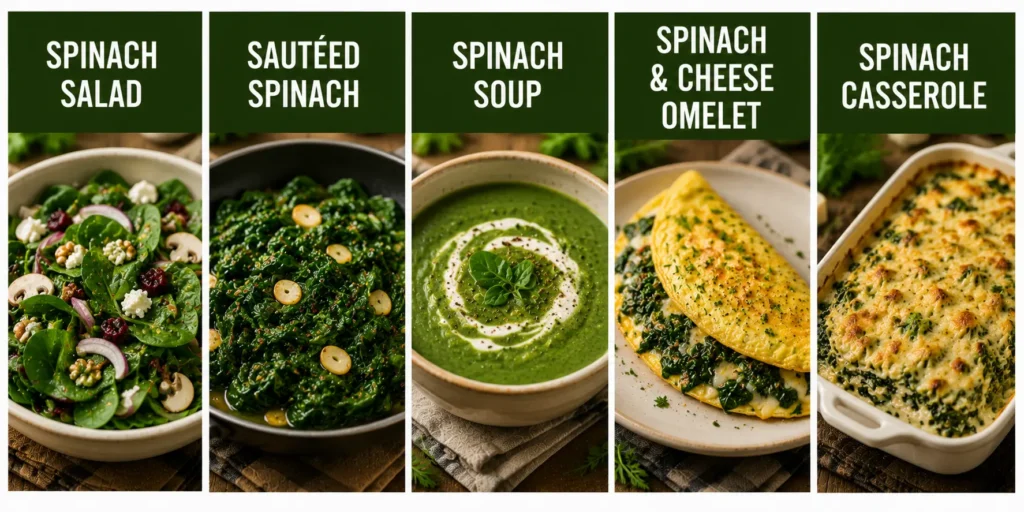
Early August spinach work can still be productive:
- Clear the future planting area.
- Improve the soil based on actual need.
- Install or test irrigation.
- Obtain seed.
- Identify a cooler or partially shaded location.
- Watch the weather.
- Wait for more favorable planting conditions.
Waiting is not inactivity when the timing is intentional.
What about radishes?
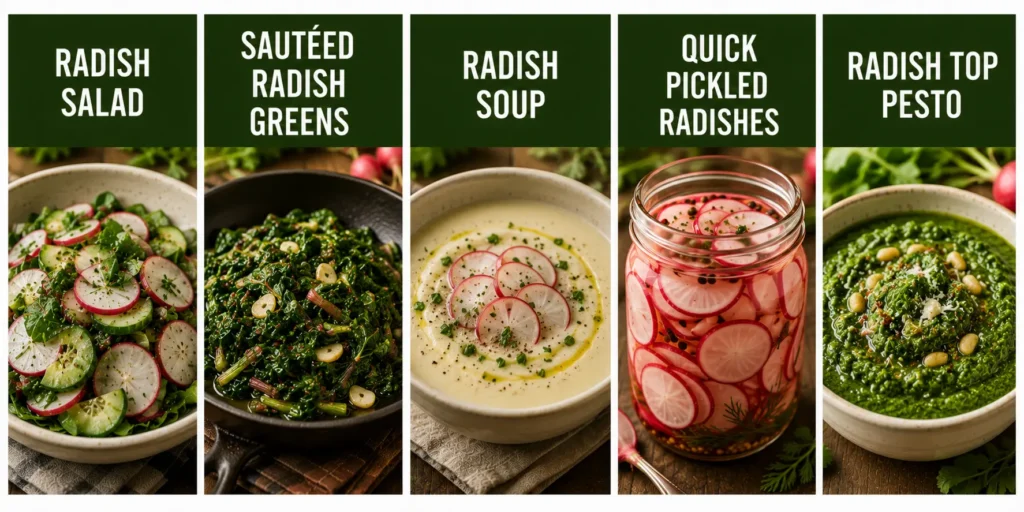
Radishes are excellent fall crops, but their strongest Central Virginia planting window often begins later in August or in early September.
Small radishes can mature quickly. Larger winter or daikon types need more time but may offer greater storage and preservation value.
Heat can make radishes excessively pungent, woody, or eager to produce seed stalks. A later sowing can improve quality.
The point is not to plant everything at once.
The point is to build a sequence.
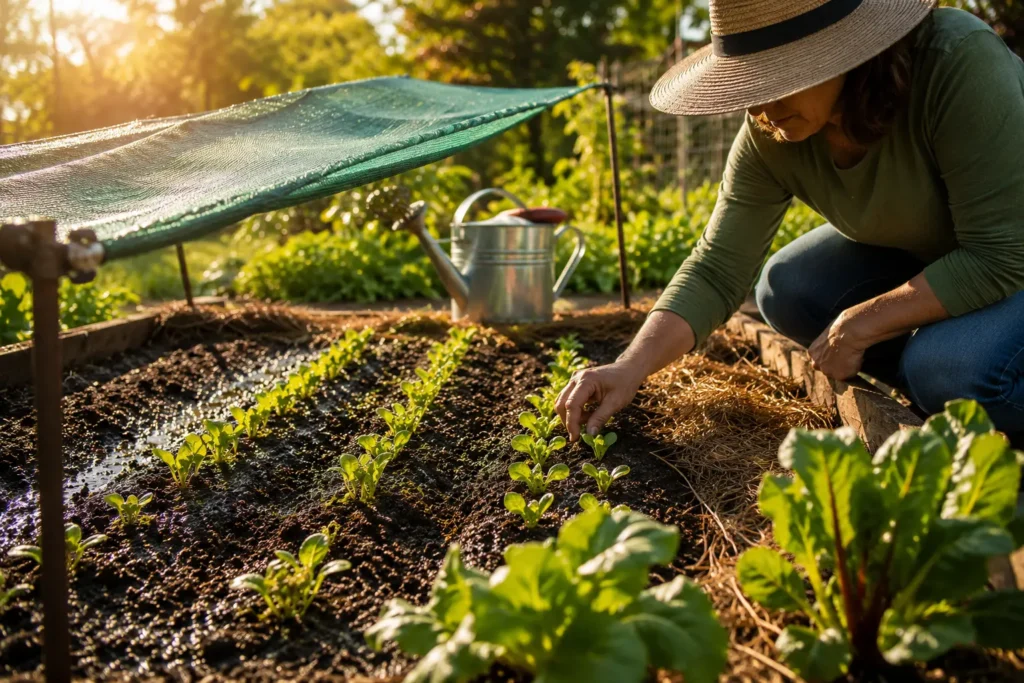
The Simple August Hot-Weather Planting Plan
Most home gardeners do not need sensors, automation, or a complicated controlled-growing system.
They need a short plan they can use today.
1. Water the bed before planting
Water deeply the evening before sowing or transplanting so the soil begins moist below the surface.
2. Plant during the cooler part of the day
Morning or evening planting reduces immediate heat stress.
3. Protect the soil surface
Use light shade, a thin temporary mulch, or an appropriate moisture cover to reduce evaporation.
Remove boards or solid coverings as soon as seedlings begin emerging.
4. Keep the upper soil consistently moist
Small seeds may fail if the soil surface repeatedly dries before germination.
The goal is consistent moisture—not standing water.
5. Check the planting every day
A quick inspection can reveal:
- Surface drying
- Poor emergence
- Insect feeding
- Soil crusting
- Irrigation problems
- Seedlings needing protection
That daily walk often matters more than an elaborate system.
Which Crop Should You Choose?
Use this quick decision guide.
| Your priority | Strongest choice |
|---|---|
| I want the most dependable overall crop | Kale or collards |
| I want two foods from one planting | Turnips |
| I want to use nearly the whole plant | Beets |
| I want a leafy green that handles lingering heat | Swiss chard |
| I want a familiar crop with strong storage value | Carrots |
| I need the fastest later-season harvest | Radishes, once their window opens |
| I want cool-weather salad greens | Prepare for spinach and plant later |
You do not need to plant all five.
Choose the crop that best matches:
- Your available space
- The planting date
- What your household eats
- Your ability to keep the bed moist
- The harvest you want later
The best garden is not the one with the longest crop list.
It is the one that produces food the household will actually use.
Your Fifteen-Minute August Action
Spend fifteen minutes doing three things:
- Find one empty, declining, or soon-to-be-cleared section of the garden.
- Choose one vegetable from the top-five list.
- Prepare or plant that space according to the crop’s timing.
That is enough to begin the next production cycle.
You do not need to complete the entire fall garden today.
You only need to protect the next planting window.
The Second-Season Dividend
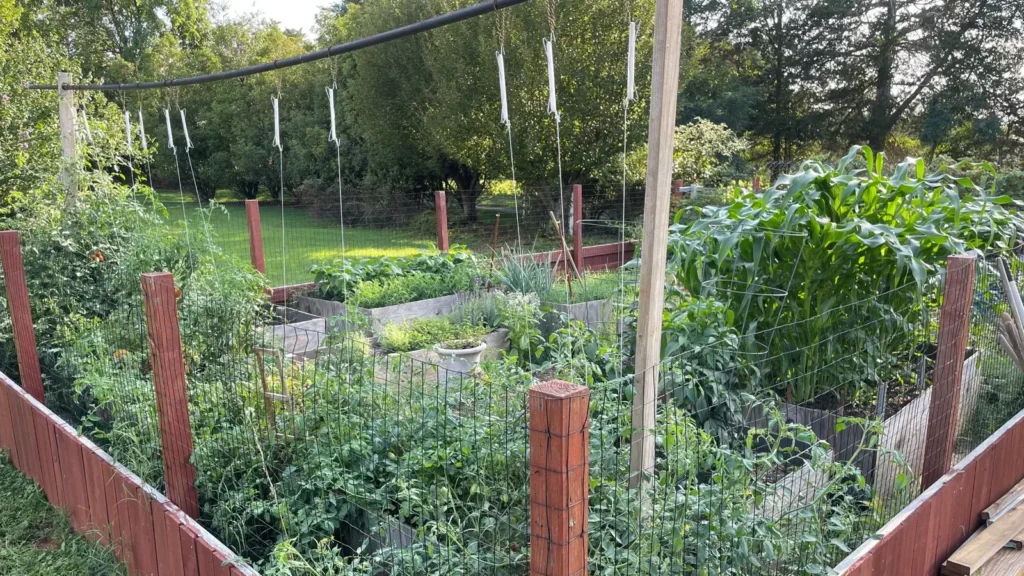
By August, much of the garden’s annual infrastructure already exists.
The soil has been prepared.
The fence is installed.
The hose reaches the bed.
The paths have been built.
The tools have been purchased.
The gardener already knows where the sun strikes first and where the soil dries fastest.
A fall crop can reuse:
- The same soil
- The same irrigation
- The same fencing
- The same tools
- The same pathways
- The same growing space
- The same household kitchen
The second crop does not begin from zero.
It grows from productive capacity that already exists.
That is the Second-Season Dividend.
The first crop helps justify the system.
The next crop begins to compound it.
Need Help Applying This to Your Garden?
Elevation, shade, frost pockets, soil, and variety choice can all shift the best planting date.
Send The Gardening Chef your general location, the crop you are considering, and the conditions in your garden.
Reader questions will also help shape a future Central Virginia Fall Planting Technical Guide.
What Comes Next?
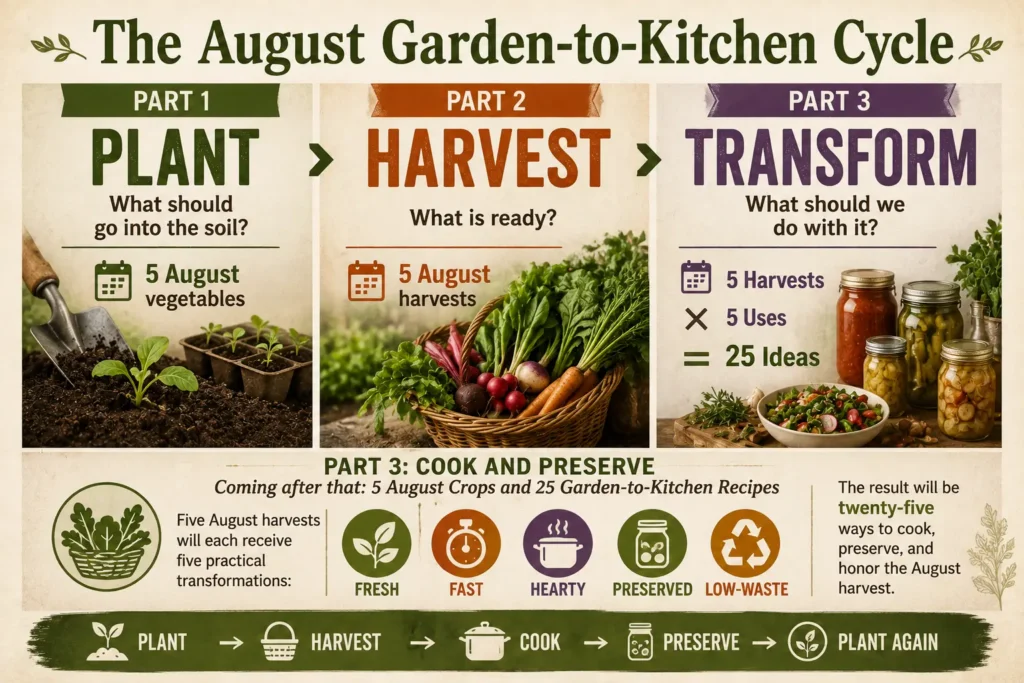
Planting is only the first part of the August garden-to-kitchen cycle.
This article begins a three-part seasonal series.
Part 1: Plant
5 Best Vegetables to Plant in August in Central Virginia
You are here.
Part 2: Harvest
Coming next: 5 Things to Harvest in August
The next guide will explain:
- How to recognize peak ripeness and quality
- Which crops need to be checked daily
- What should be harvested immediately
- What can remain in the garden
- What should be eaten, stored, or preserved first
- How harvesting can encourage continued production
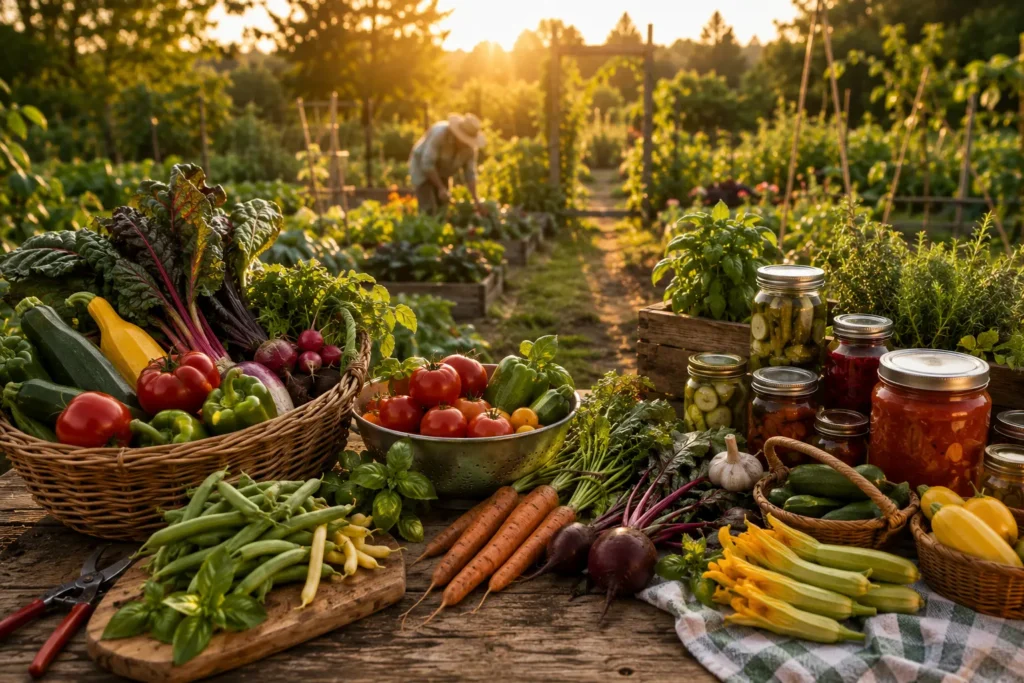
Part 3: Cook and Preserve
Coming after that: 5 August Crops and 25 Garden-to-Kitchen Recipes
Five August harvests will each receive five practical transformations:
- Fresh
- Fast
- Hearty
- Preserved
- Low-waste
The result will be twenty-five ways to cook, preserve, and honor the August harvest.
Get the Next Garden Window Before It Closes
The most important garden date is often not harvest day.
It is the day a future harvest must begin.
The August garden does not stop with planting. The next decision is recognizing what is ready—and knowing what to do with it when it reaches the kitchen.
Join The Gardening Chef newsletter to receive the next part of this series:
Coming next: 5 Things to Harvest in August
Each seasonal field brief helps answer five questions:
- What should be planted now?
- What is approaching harvest?
- What problem is likely to appear next?
- What should be prepared in the kitchen?
- How can the garden’s value be extended?
Practical seasonal guidance, Field Library resources, and lessons from the garden. Sent when there is something worth planting, harvesting, cooking, or preserving.
Continue Through the Gardening Chef System
This seasonal guide is connected to three foundational articles:
The $10,000 Garden – See how gardens create food, savings, skills, resilience, and future opportunity.
Soil Before Stocks – Understand why the invisible foundation determines what a system can produce.
The 1% Garden Rule – Build a productive garden through approximately fifteen minutes of consistent daily attention,
About This Guide
This guide is written from Bedford, Virginia, where I have lived for nearly twenty years.
I also spent approximately thirty years in Saratoga Springs, New York. Experiencing both growing regions taught me how dramatically planting windows can shift between a shorter northern season and Central Virginia.
That background helps inform the article, but it does not replace research or local observation.
The dates in this guide should be treated as starting points. Check current Virginia Cooperative Extension recommendations, consider your first-frost history, and observe the conditions in your own garden.
A protected slope, an exposed ridge, a shaded bed, and a low frost pocket may all behave differently—even within the same zip code.
Use the guide.
Watch the weather.
Record what happens.
Adjust next season.
Your garden will teach you the rest.
Sources and Further Reading
- Virginia Cooperative Extension, Virginia’s Home Garden Vegetable Planting Guide: Recommended Planting Dates and Amounts to Plant
- Virginia Cooperative Extension, Fall Vegetable Gardening
- Virginia Cooperative Extension, Root Crops
- Virginia Cooperative Extension, Leafy Green Vegetables
- National Weather Service, Blacksburg Forecast Office, Autumn Freeze Climate Information for Lynchburg
- USDA Agricultural Research Service, Plant Hardiness Zone Map
The August Handoff
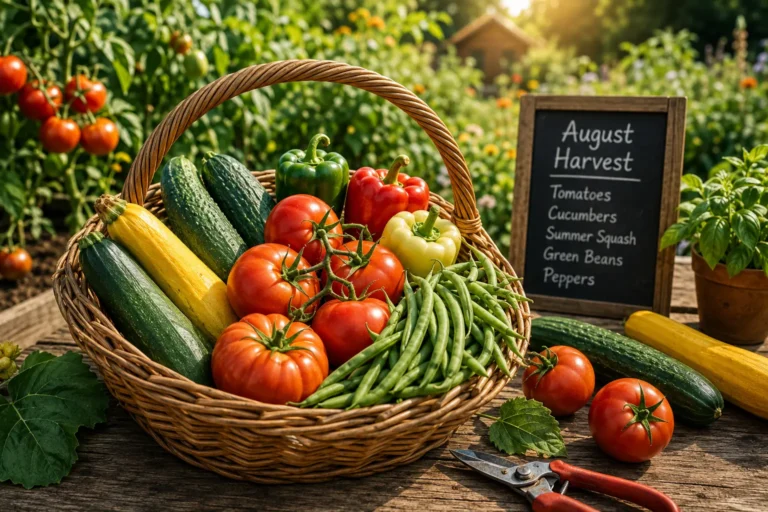
By the end of August, the garden may still look like summer.
Tomatoes may still be ripening.
Peppers may still be changing color.
Basil may still be trying to flower.
But beneath the surface, another garden can already be forming.
Beets begin to germinate.
Turnip roots prepare to swell.
Kale seedlings build leaves that will remain after the cucumber vines are gone.
Carrot seed wakes beneath a thin layer of protected soil.
The fall garden does not begin when autumn arrives.
It begins while summer is still occupying the stage.
Not every crop must be planted today.
But every future harvest needs a beginning.
Sometimes that beginning is a seed.
Sometimes it is a prepared bed.
Sometimes it is the patience to wait another week.
This August, remember the simplest version:
Carrots now.
Spinach later.
And always plant with the future harvest in mind.


Wow, this is a “one of a kind” page!! So much great information, easy to follow directions and just so educational!! Thank you so much, I can’t wait to continue to learn from your experience and knowledge!!
Michelle,
Thank you so much for your kind words—they truly made my day! I’m delighted to hear you found the guide both educational and easy to follow. My goal is to share practical gardening advice that gives people the confidence to grow more of their own food and enjoy the process along the way.
As one of the first gardeners to join The Gardening Chef community, your encouragement and feedback mean more than you know. If there’s a gardening topic or question you’d like me to cover in a future article or Field Guide, I’d love to hear it. There’s a good chance other gardeners are wondering the same thing.
Thanks again for being part of this growing community. I look forward to hearing what’s growing in your garden this season!